
Looking for a daycare or preschool in Norwood Park? Fantasy Island Schools for Kids is an English-language daycare, preschool, and kindergarten for children ages 2 to 6, located at 6100 N Milwaukee Ave on the eastern edge of Norwood Park. Since 2009, Northwest Side families have trusted us with the years that matter most – with a gifted curriculum, small classes, three meals cooked on-site every day, and Polish and Ukrainian language support for children who speak those languages at home.
Norwood Park is one of Chicago’s most residential, family-oriented neighborhoods – tree-lined streets, single-family homes, and a small-town feel anchored by landmarks like the Noble-Seymour-Crippen House, the oldest house in the city. It is also a commuter neighborhood: many parents ride the Metra Union Pacific Northwest Line from the Norwood Park station on Northwest Highway or drive the Kennedy Expressway to work.
That is why our hours match a full workday – Monday through Friday, 7:00 AM to 6:00 PM. Our school sits on the Milwaukee Avenue corridor, so drop-off and pickup fit naturally into a Norwood Park morning and evening routine, without crossing the city.
Our daycare program gives toddlers a warm, predictable first experience of school. Certified early childhood teachers guide children through play-based learning, songs, stories, and hands-on activities that build language, independence, and social skills. Full-time and part-time schedules are available, and three freshly cooked meals are included in tuition – no packed lunches needed.
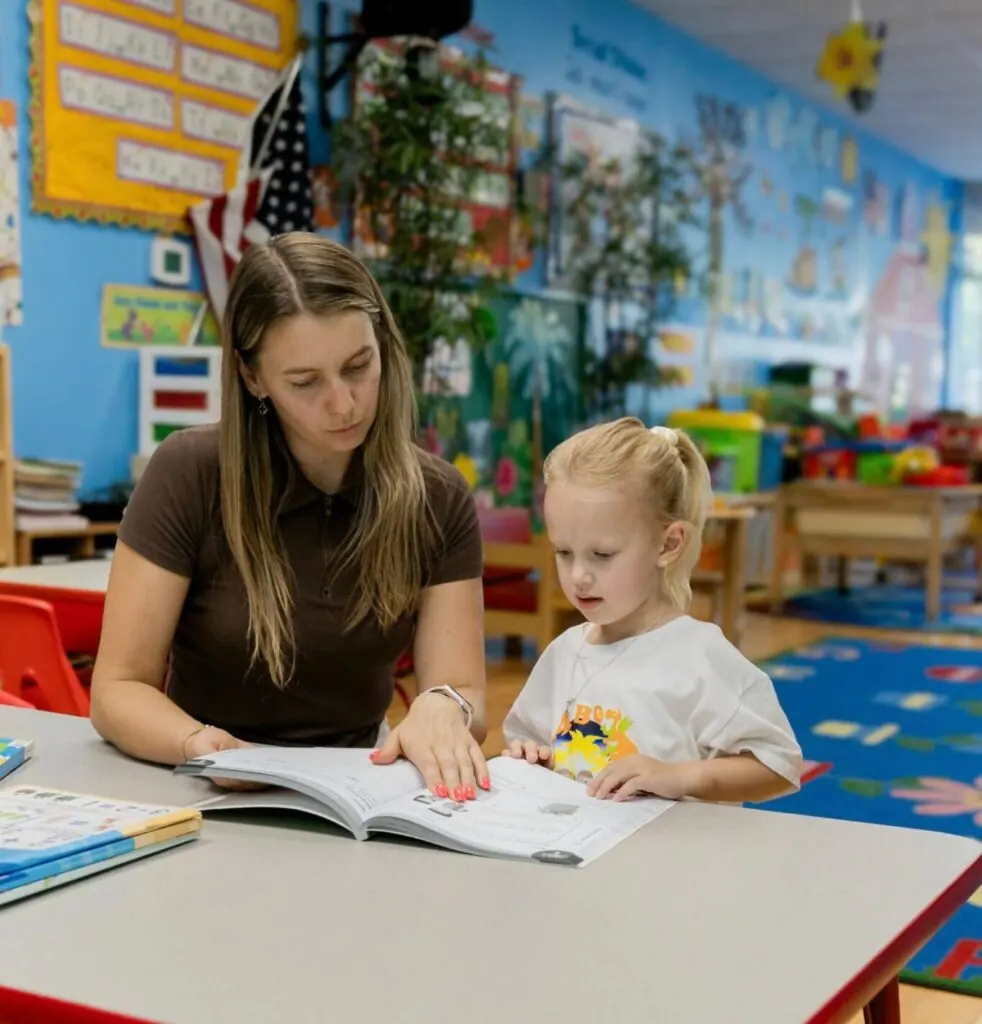
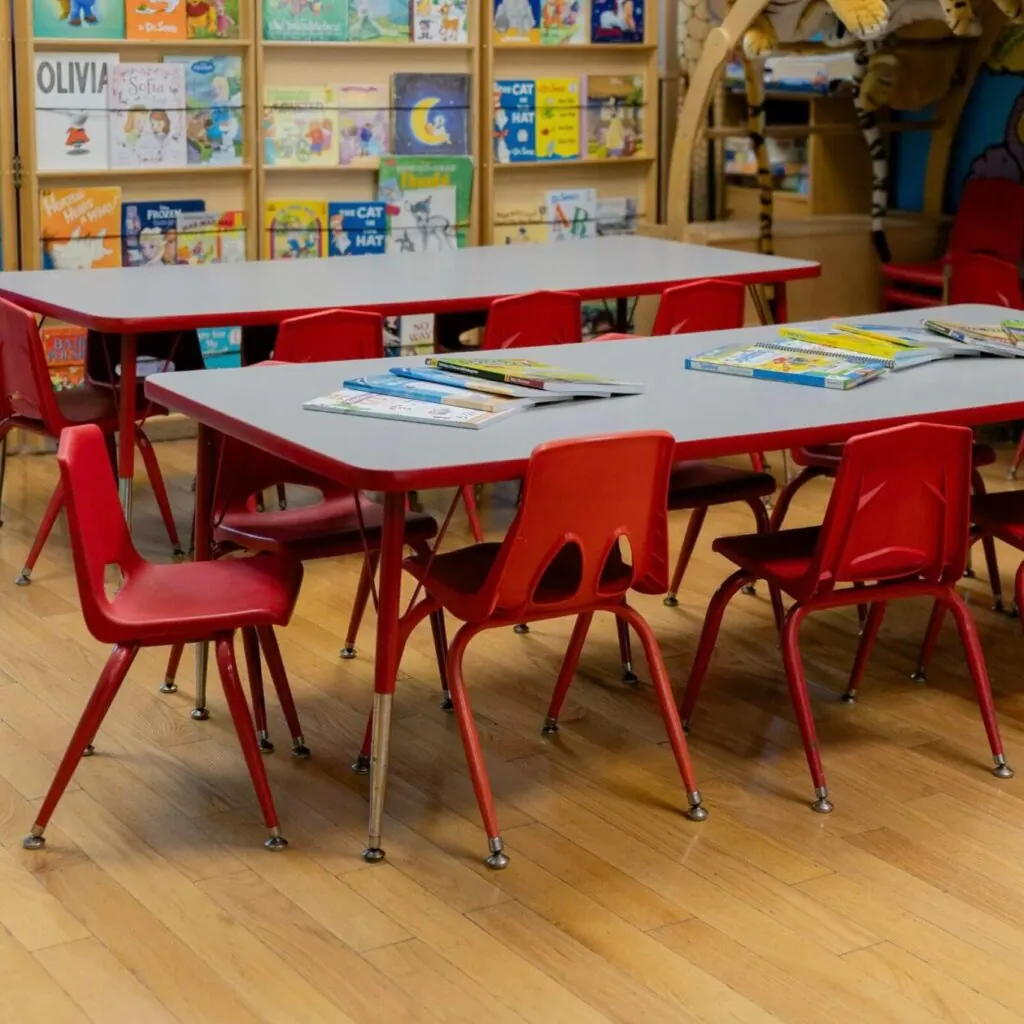
In our preschool, curiosity becomes structured learning. Our gifted curriculum covers early literacy, math, science, social studies, and art through experiential, multi-sensory lessons. Small class sizes mean every child gets individual attention, and enrichment – music, dance, art, STEM, and Brain Gym – is part of every week, included in tuition.
Our kindergarten is rigorous yet fun, with one clear goal: preparing children to thrive in American schools. Whether your child will continue at a neighborhood CPS school or apply to selective and gifted programs through GoCPS, our kindergarten-readiness curriculum builds the reading, math, focus, and confidence those next steps require. An overwhelming majority of our kindergarten graduates are accepted into gifted programs.
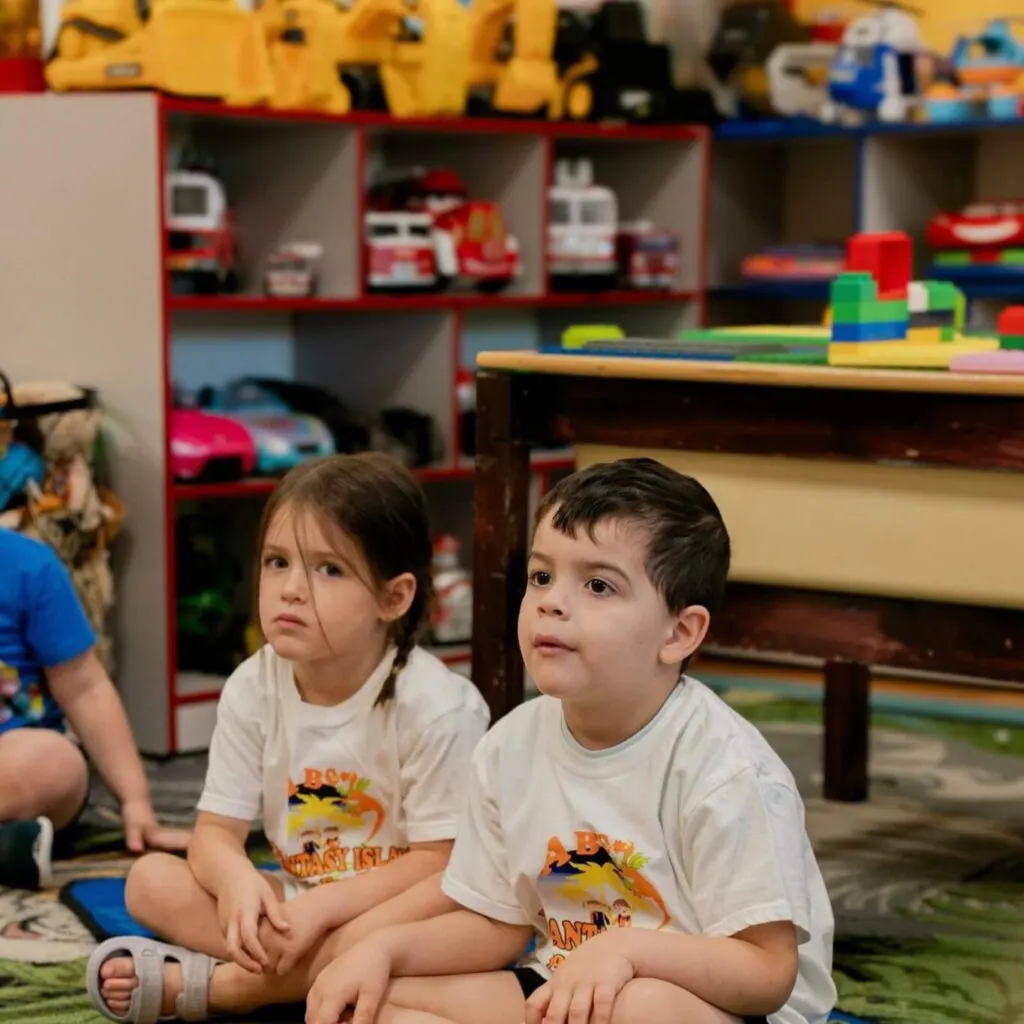
Norwood Park parents tend to know exactly what they want: a safe, licensed program with qualified teachers, real academic preparation, and a place where their child feels at home. Here is what sets Fantasy Island apart.
English is our primary language of instruction, because our goal is to prepare children for American schools. At the same time, we help children keep their home language: most of our teachers speak Polish, structured Polish language classes are held every Friday, and Ukrainian-speaking teachers lead language activities for Ukrainian-speaking children.
Our activity-focused curriculum combines experiential and collaborative learning across literacy, math, science, and the arts. It prepares children for more than kindergarten readiness – an overwhelming majority of our graduates are accepted into gifted programs.
Three nutritious meals are freshly prepared in our on-site kitchen every day from locally sourced ingredients – included in tuition at no extra cost. Parents skip the packed lunches, and children build healthy eating habits together at the table.
Small class sizes let our teachers know each child’s personality and learning style. All teachers hold Early Childhood Education certifications, and all staff are First Aid and CPR certified and complete ongoing training in child development, health and safety, and trauma-informed care.
Fantasy Island Schools for Kids is an Illinois state-licensed day care center (License #483511), serving Northwest Side families since 2009. Parents rate us 4.8 stars on Google, and 100% of Facebook reviewers recommend us. Read what our families say.
Brain Gym and music, every week. Twice a week, our founder Beata Bielic – a certified Brain Gym instructor – leads short, playful movement sessions that build focus, coordination, balance, and learning readiness. Weekly music classes with a qualified music teacher support creativity and self-expression. Both are included in tuition. We also accept families participating in the Illinois Child Care Assistance Program (CCAP), including families receiving assistance through Illinois Action for Children.
7:00 AM – Arrival and Free Play – Children settle in with self-directed activities while parents head to the Metra or the Kennedy.
Breakfast – A warm breakfast prepared in our on-site kitchen.
Morning Circle – Songs, calendar, weather, and conversation that build vocabulary and listening skills.
Curriculum Block – Guided lessons in literacy, math, science, or art, following our gifted curriculum and weekly themes.
Outdoor Play – Running, climbing, and cooperative games on our outdoor playground.
Lunch and Rest – A freshly cooked lunch, then quiet time for younger children and advanced learning activities for kindergartners.
Enrichment – Music, dance, STEM projects, Brain Gym, and Polish or Ukrainian language activities.
Afternoon Meal and Pickup (until 6:00 PM) – Parents hear about their child’s day before heading home to Norwood Park.
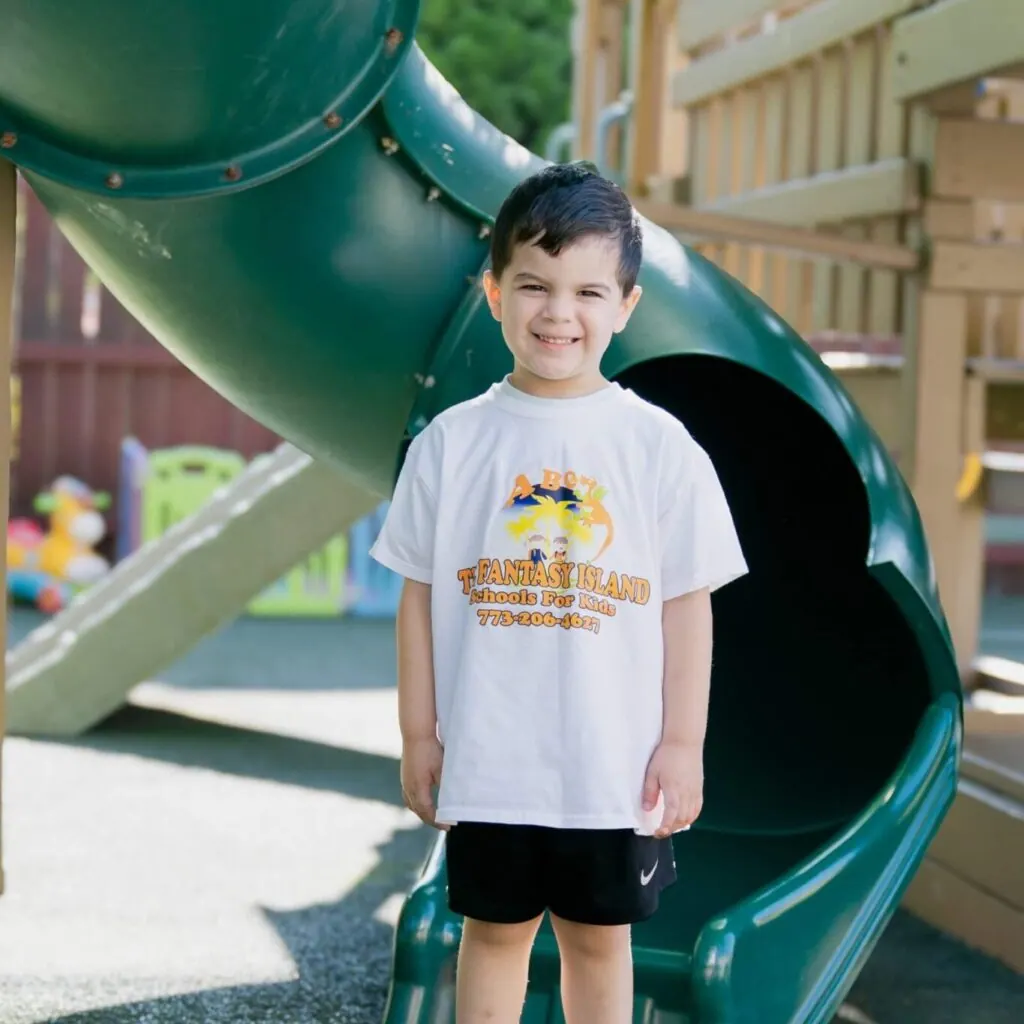
We are located at 6100 N Milwaukee Ave, Chicago, IL 60646, on the Milwaukee Avenue corridor at the eastern edge of Norwood Park. For most Norwood Park families it is a short drive via Milwaukee Avenue or Northwest Highway, and the Norwood Park Metra station and the Kennedy Expressway are both nearby for parents commuting downtown. We recommend mapping the route from your home and stopping by during a tour.
We also welcome families from neighboring communities, including Edison Park, Gladstone Park, Jefferson Park, Edgebrook, Harwood Heights, and Park Ridge.
We are at 6100 N Milwaukee Ave, Chicago, IL 60646, on the Milwaukee Avenue corridor at the eastern edge of Norwood Park – a short drive from most Norwood Park homes.
Children ages 2 to 6, in daycare (ages 2-3), preschool (ages 3-4), and kindergarten (ages 5-6). We do not accept children under 2 years old.
English is our primary language of instruction. We offer Polish and Ukrainian language support: most teachers speak Polish, Polish language classes are held every Friday, and Ukrainian-speaking teachers lead activities for Ukrainian-speaking children.
Monday through Friday, 7:00 AM to 6:00 PM. We are closed on weekends.
Yes. Three nutritious meals are cooked on-site every day from locally sourced ingredients, at no extra cost.
Yes. We offer both full-time and part-time schedules. Contact us to check current availability for your child’s age group.
Yes. We accept families participating in the Illinois Child Care Assistance Program (CCAP), including families receiving assistance through Illinois Action for Children.
Our kindergarten-readiness curriculum is designed for exactly that. An overwhelming majority of our kindergarten graduates are accepted into gifted programs.
Call us at 773-206-4627 or send us a message and we will arrange a visit at a time that works for your family.
The best way to choose a daycare or preschool near Norwood Park is to see it in person. Visit Fantasy Island Schools for Kids, walk through our classrooms and playground, meet our teachers, and ask every question on your list.
Call 773-206-4627 or contact us online to book your visit. Have more questions first? Visit our FAQ page.