

Finding Before and After Care in Chicago
For before and after care in Chicago, start with your child’s school and nearby community programs. Ask which ages they serve, when care starts and ends, what happens on days school is closed, and how much the full schedule costs. If your child is not yet school-age, an early learning center with longer hours may be a better fit.
Fantasy Island Schools for Kids offers full- and part-time childcare, preschool, and kindergarten for children ages 2-6 at its Norwood Park center. It is open Monday through Friday, 7 AM to 6 PM.
I’m Beata Bielic, founder of Fantasy Island Schools for Kids, with more than 17 years of early-childhood education experience. I’ll use that experience to help you assess the before and after care Chicago families can find and choose a schedule that works for your child.
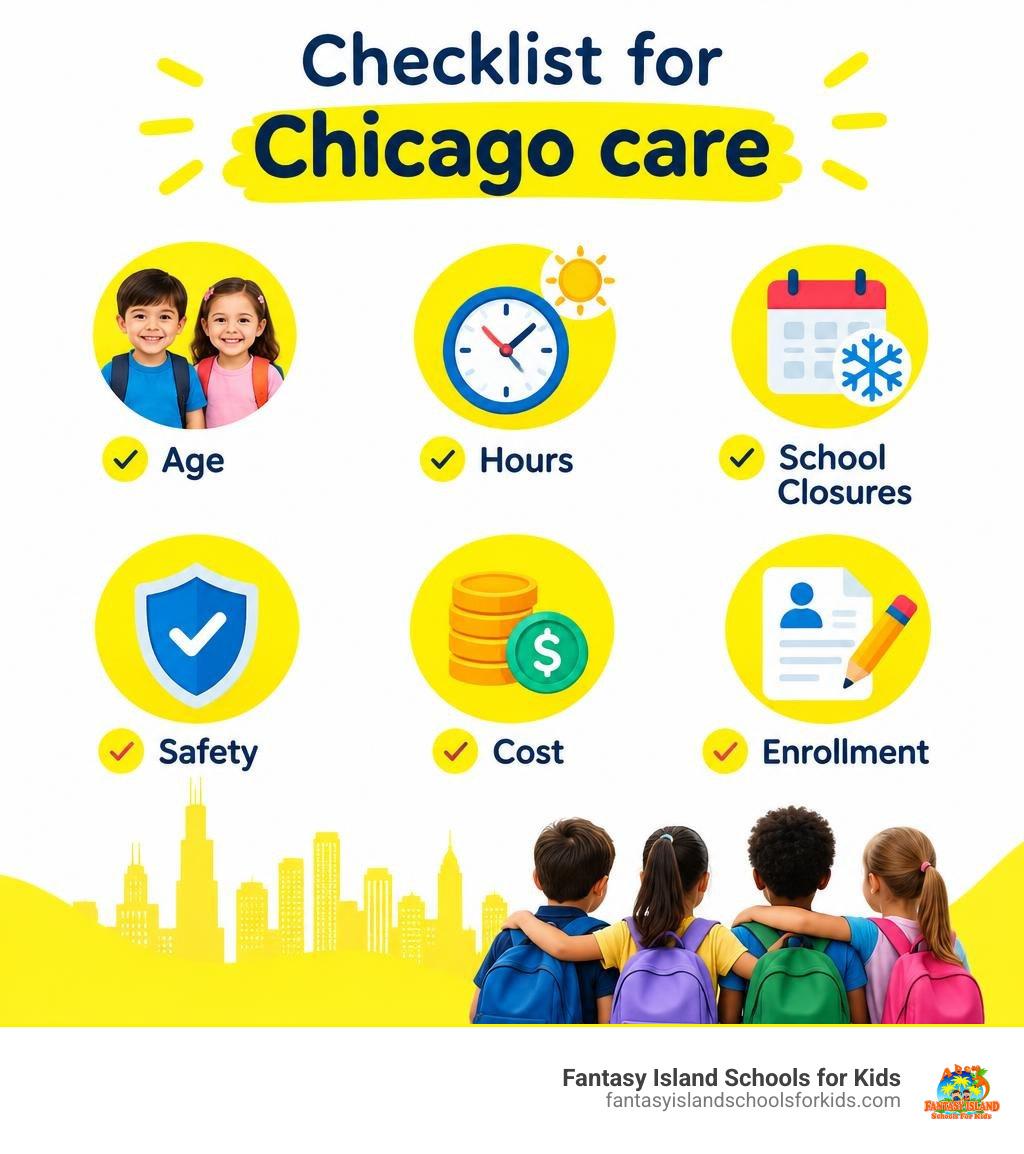
Handy before and after care Chicago terms:
- Working Parents Childcare Solutions
- childcare subsidy Illinois
Types of Before and After Care Chicago Offers
Navigating extended care options in Chicago requires understanding how different programs structure their hours, locations, and age ranges. Working parents often find that standard elementary school schedules do not align with a typical 9-to-5 workday, let alone early morning commutes along the Kennedy Expressway or late meetings downtown. Finding dependable childcare helps bridge the gap between classroom dismissal and dinner time.

Across the city and surrounding suburbs, families generally choose among three primary models:
- School-Based On-Site Programs: Managed directly by public or private schools, or operated by external partners located on the school grounds.
- Community and Park District Offerings: Hosted at neighborhood field houses, recreation centers, or martial arts academies that provide group activities and supervision.
- Dedicated Early Learning and Childcare Centers: Centers that offer full-day programs with built-in extended morning and afternoon care for toddlers, preschoolers, and kindergarteners. For working households with non-standard work hours, exploring childcare at an early learning facility often provides the most seamless daily routine.
On-Site Extended-Day Programs
Many Chicago Public Schools (CPS) host on-site morning and afternoon sessions to keep drop-off and pickup logistics simple. These programs take place in school gyms, cafeterias, or designated classrooms, eliminating the need for mid-day transportation.
Because children remain in their familiar school environment, they transition directly from the classroom to supervised activities. Programs often include guided homework support, group games, and quiet reading time. Families interested in public school options can review district resources through the City of Chicago’s Before and After School Programs portal.
Community and Park District Programs
Community centers and local park districts throughout Cook County also provide recreational after-school care. These programs frequently focus on gross motor development, sports leagues, and artistic enrichment.
While some community facilities offer busing or walking escorts from nearby neighborhood schools, parents must verify transportation arrangements. These settings are ideal for active children who enjoy sports, swimming, and open-gym environments alongside peers from various area schools.
Core Benefits and Enrichment Activities in Extended Care
A well-structured extended-day program is far more than simple supervision while parents finish work. Quality programs provide children with a safe harbor to decompress, engage in hands-on exploration, and build meaningful friendships.
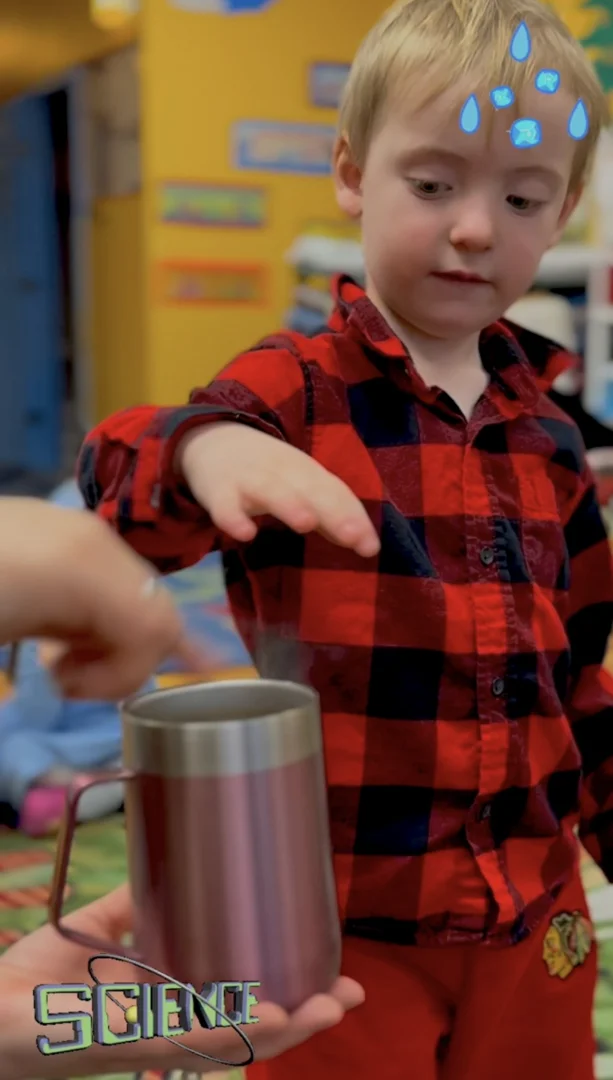
Potential Benefits of Before and After Care in Chicago
Consistency and predictable routines form the foundation of childhood emotional security. When children know what to expect before the school bell rings and after the final bell dismisses, they experience lower stress levels and smoother transitions throughout the week.
Key developmental benefits include:
- Academic Reinforcement: Dedicated homework time ensures children complete daily assignments with educator guidance, freeing up evening hours for family connection.
- Social-Emotional Growth: Mixed-age or peer-group environments encourage collaborative play, conflict resolution, and communication skills outside a rigid classroom setting.
- Physical Health: Structured recreation and active play help children channel their natural energy productively after hours of seated instruction.
For dual-income households, these programs offer essential peace of mind. Reviewing proven working parents childcare solutions helps families create a stress-free schedule that supports both career demands and early learning.
Enrichment Offerings from STEM to Creative Arts
Modern extended care focuses heavily on interactive learning. Rather than passive screen time, reputable programs integrate creative projects that spark curiosity.
Typical enrichment tracks include:
- STEM Workshops: Foundational coding, robotics challenges, and simple engineering experiments using building materials.
- Visual and Performing Arts: Hands-on painting, pottery, theatrical play, and structured music sessions that develop self-expression.
- Mind-Body Integration: Activities like Brain Gym exercises, yoga, and coordinated movement games that improve focus and sensory integration.
How to Choose the Right Program for Your Child
Selecting an extended care arrangement requires careful evaluation of safety measures, educator qualifications, and day-to-day logistics.
| Feature | On-Site School Programs | Park District Programs | Early Learning Centers |
|---|---|---|---|
| Ages Served | Kindergarten – Grade 8 | Ages 5 – Grade 8 | Ages 2 – 6 (Toddler–Kindergarten) |
| Hours | Approx. 7:00 AM – 6:00 PM | Dismissal – 6:00 PM | 7:00 AM – 6:00 PM (Full Day) |
| Transportation | None required (on campus) | May require busing/walking | Parent drop-off and pickup |
| Meals Provided | Basic snacks | Bring own snack | Home-cooked meals and snacks |
| Staff Training | Varies by provider/district | Recreational staff | ECE-certified teachers, CPR/First Aid |
How to Choose Quality Before and After Care Chicago Providers
When touring potential facilities, observe how staff interact with the children. Look for positive reinforcement, engaged supervision, and warm communication. Reviewing available childcare options helps parents systematically audit critical quality factors:
- State Licensing: Verify that the program is fully licensed through the Illinois Department of Children and Family Services (DCFS) and adheres to strict staff-to-child ratios.
- Staff Credentials: Ensure instructors hold Early Childhood Education (ECE) credentials, background clearances, and current First Aid and CPR certifications.
- Safety and Check-Out Protocols: Check that the facility enforces secure sign-in/sign-out procedures and verified emergency contact authorizations.
Accommodating Working Schedules and Holiday Coverage
One of the largest hurdles for Chicago parents is navigating unexpected school closures, teacher institute days, parent-teacher conference schedules, and seasonal holidays. Many public school programs close on the very days parents must report to work.
When interviewing prospective providers, ask detailed questions about:
- Early drop-off availability (e.g., 7:00 AM) and grace periods for late pickups.
- Care options during CPS professional development days and spring or winter breaks.
- Policies regarding emergency weather closures.
Tuition, Financial Assistance, and Enrollment Logistics
Childcare costs represent a significant portion of family budgets across Chicago’s Northwest Side and surrounding suburbs. Transparent pricing and flexible billing help families plan effectively.
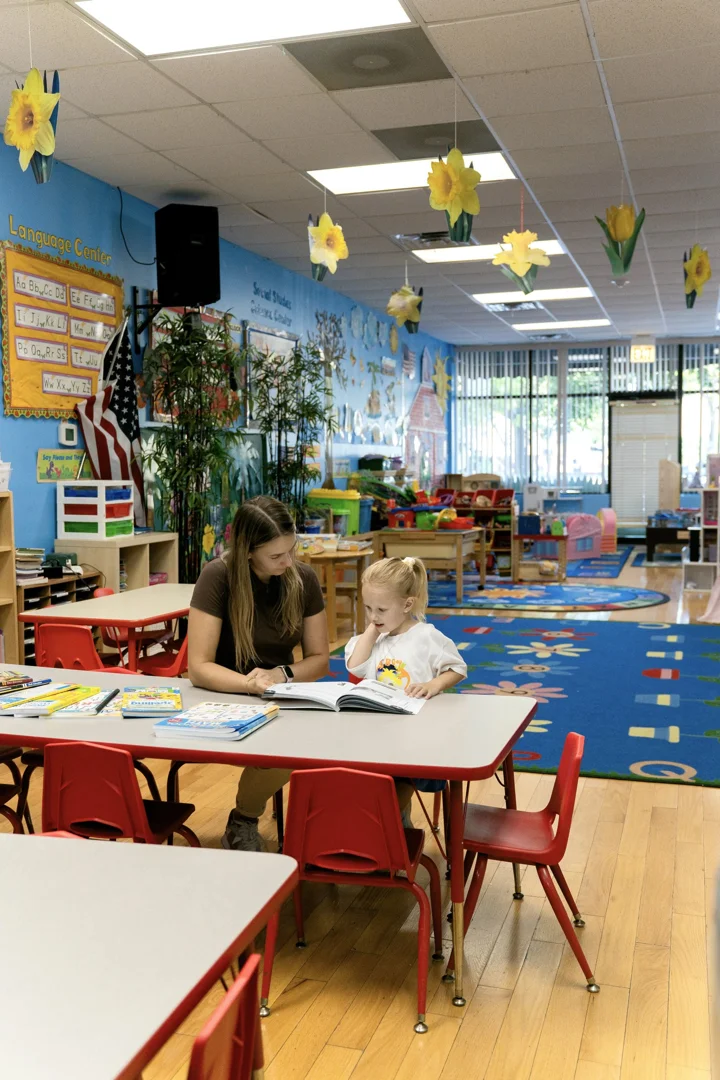
Understanding Program Costs and State Assistance
Weekly and monthly tuition rates vary based on whether care is full-time, part-time, morning-only, or afternoon-only. Many state-licensed facilities participate in the Illinois Child Care Assistance Program (CCAP), administered locally by organizations such as Illinois Action for Children.
CCAP helps qualifying working families offset the cost of licensed childcare through state-funded subsidies. Exploring available childcare options allows families to determine their eligibility and identify centers that accept state assistance.
Registration Steps and Essential Checklists
To secure a placement, complete your paperwork well ahead of the upcoming term.
Essential registration items include:
- Completed enrollment application and emergency contact directory.
- Official State of Illinois Child Health Examination form, including updated immunization records.
- Written allergy management and asthma action plans signed by your pediatrician.
- List of individuals authorized for pickup with photo ID verification requirements.
- Tuition agreement and direct-debit or CCAP documentation.
Frequently Asked Questions About Before and After Care in Chicago
What age groups are eligible for extended care programs in Chicago?
Eligibility depends entirely on the provider. Most elementary school programs accommodate children in kindergarten through 8th grade (ages 5 to 14). However, for younger children who are 2, 3, or 4 years old, parents should look to licensed early learning centers offering extended daycare and preschool programs.
What happens during early dismissals, teacher workdays, and holiday breaks?
School-based programs frequently shut down during official school holidays and teacher institute days. Dedicated private centers, however, often remain open during standard working days regardless of public school schedules. Always request an annual operating calendar before enrolling to confirm coverage.
How do programs support children with special medical or dietary needs?
Licensed childcare centers in Illinois must maintain strict protocols for medication administration, asthma care, and food allergy management. Staff members should receive ongoing training in pediatric first aid, epinephrine auto-injector administration, and sanitary food preparation to ensure every child remains safe.
Conclusion
Finding the right before-and-after schedule gives your child a safe, engaging space to learn and play while giving you complete peace of mind during the workday. For families seeking comprehensive early education on Chicago’s Northwest Side, Fantasy Island Schools for Kids provides full-day daycare, preschool, and kindergarten with convenient 7:00 AM to 6:00 PM hours. Serving families across Norwood Park, Edison Park, Gladstone Park, Jefferson Park, Sauganash, Edgebrook, Portage Park, and nearby communities like Niles, Park Ridge, Skokie, Harwood Heights, and Des Plaines, our experienced team includes CPR-certified teachers and provides nutritious, on-site meals daily. We welcome you to schedule a tour and see our classrooms in action.