

Updated October 2026. Applying to CPS? The GoCPS deadline for 2027-28 is November 13, 2026 – see our CPS enrollment guide.
How to Compare the Best Kindergarten Schools in Chicago
The best kindergarten schools in chicago give children more than early reading and math skills. They create a safe, welcoming place where your child can play, build friendships, practice independence, and feel known by caring adults.
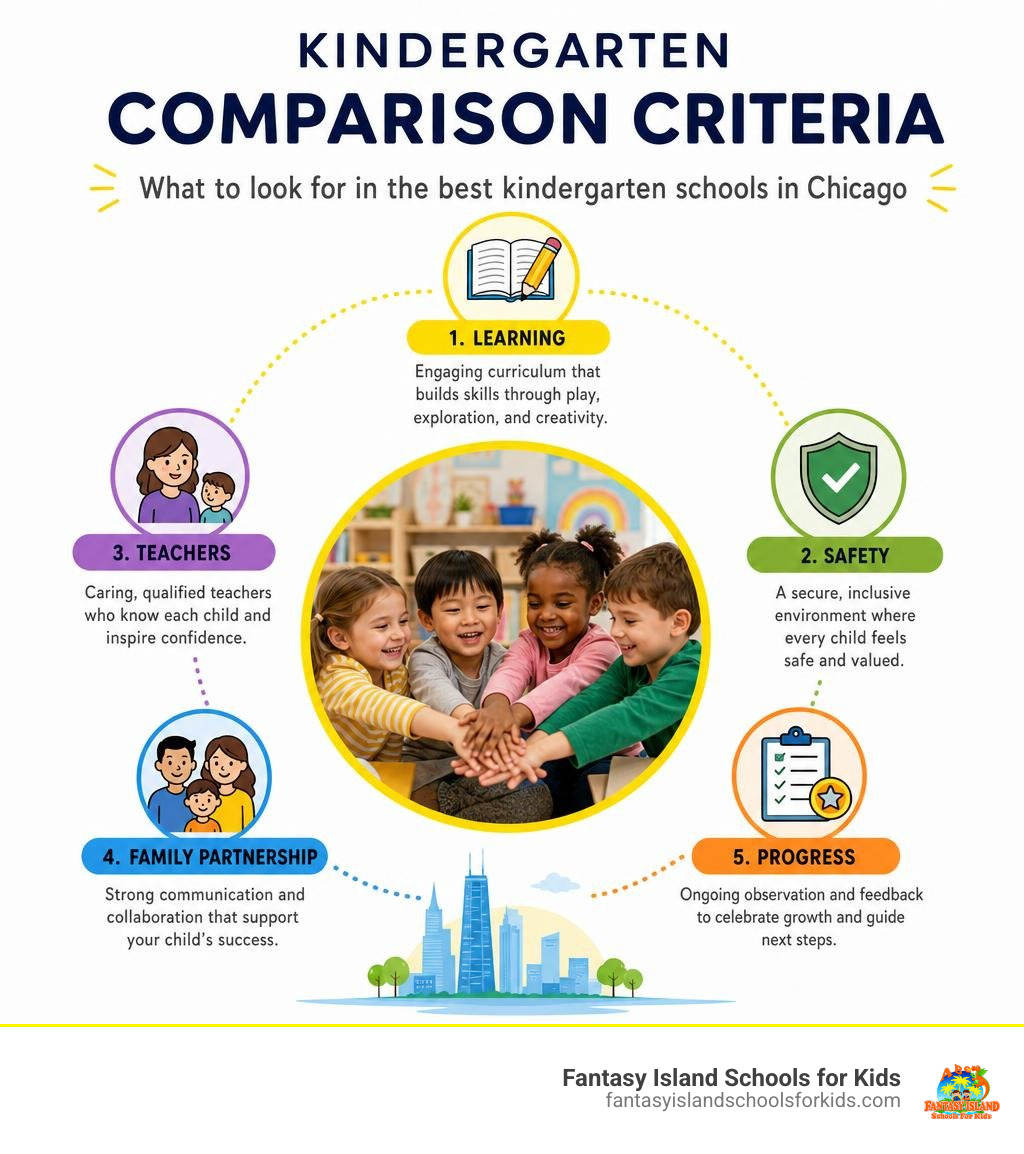
When comparing programs, look for:
- A balanced curriculum that combines hands-on play, early academics, art, music, movement, and social-emotional learning.
- Warm, qualified teachers who build strong relationships with each child and communicate clearly with families.
- Positive guidance that teaches children how to solve problems instead of relying on punishment.
- Family involvement through regular updates, conferences, classroom events, and meaningful ways to share feedback.
- A safe, inclusive environment where children’s languages, backgrounds, abilities, and talents are respected.
- Clear evidence of progress through observation, developmental tracking, family feedback, and kindergarten-readiness goals.
The right school should fit your child as well as your family’s practical needs, including hours, tuition, meals, transportation, and full-time or part-time availability. A tour is often the best way to see whether children are engaged, teachers are attentive, and the school community feels like a place where your child can belong.
I’m Beata Bielic, Executive Director of Fantasy Island Schools for Kids, founded in 2009 at 6100 N Milwaukee Ave, Chicago, IL 60646. With more than 17 years in early childhood education and experience as a teacher and school leader, I help families evaluate the qualities that matter most when choosing among the best kindergarten schools in chicago.
Essential Characteristics of the Best Kindergarten Schools in Chicago
When families look at early childhood education across Chicago’s Northwest Side, they often ask what truly sets top-tier programs apart. The answer lies in a holistic framework where academic growth, emotional security, and playful discovery reinforce each other.
By redefining kindergarten in chicago, high-quality early learning environments move past repetitive worksheets. Instead, they embrace experiential learning that sparks curiosity while teaching critical early literacy, mathematical reasoning, and problem-solving skills. Whether exploring local elementary options or evaluating specialized private programs, parents find that exceptional schools share core foundational elements:
- Integrated Academic and Social Curricula: Reading and math concepts are woven naturally into hands-on projects, sensory exploration, and interactive group activities.
- Support for Multilingual Development: Valuing a child’s home language—such as offering dedicated Polish-language instruction or multilingual storytelling—enhances cognitive flexibility and cultural appreciation.
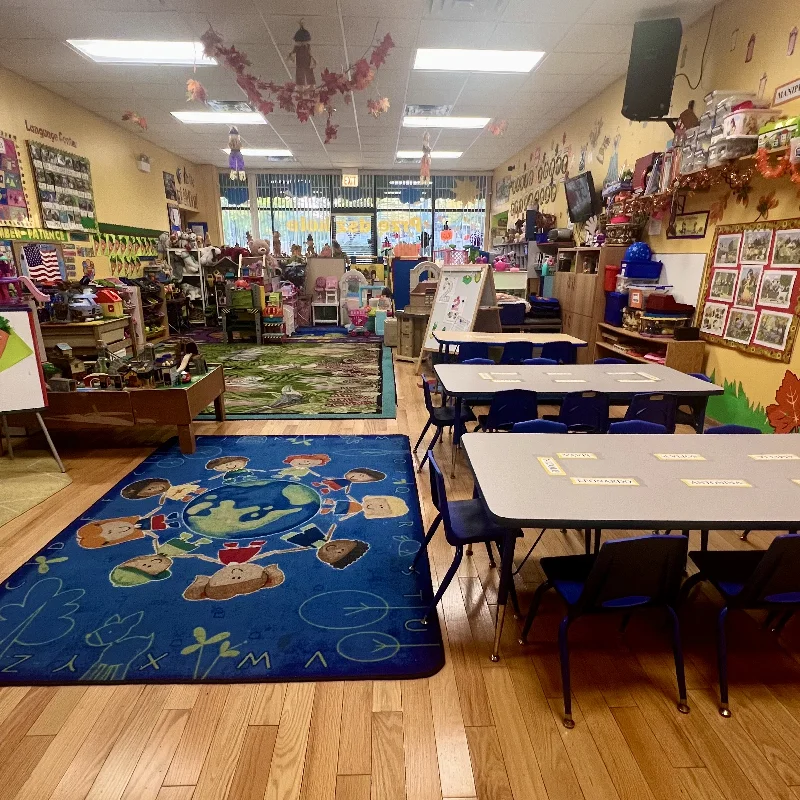
- Enriched Learning Environments: Classrooms are thoughtfully organized into defined activity hubs, including literacy corners, STEM building blocks, and dedicated multi-sensory play spaces.
- Nutritional and Physical Well-being: Balanced, freshly cooked meals on-site sustain children’s energy throughout the day, while indoor and outdoor physical play builds fine and gross motor skills.
Leadership and School Culture Driven by Principal Engagement
School leadership sets the tone for the entire learning community. When administrators and directors remain accessible and actively engaged in daily classroom life, teachers feel supported, and children feel recognized.
A strong educational leader builds a collaborative culture by mentoring teaching staff in trauma-informed care, encouraging innovative teaching methods, and maintaining open doors for parent dialogue. This active involvement creates a calm, structured environment where children know they are safe, valued, and encouraged to excel.
Fostering Happiness and Belonging in Early Learners
A child’s emotional security is the foundation of all learning. When children step into a classroom knowing they belong, their confidence soars. Top kindergarten programs understand what sets kindergarten apart from preschool—namely, the transition toward greater independence paired with structured academic preparation.
To foster this sense of belonging, educators design predictable routines, honor unique family backgrounds, and build inclusive play structures where every voice is heard. When young learners feel safe expressing themselves, school becomes a place of genuine joy and self-worth.
How Top Chicago Kindergartens Cultivate Positive Student Dynamics
Positive student dynamics do not happen by accident; they are intentionally cultivated through daily interactions, cooperative games, and guided peer collaboration. In a high-functioning kindergarten classroom, children learn how to negotiate roles, listen to friends, and manage their feelings during group challenges.
Understanding how important is playtime in kindergarten education is essential. Guided play allows young learners to practice self-regulation, empathy, and creative problem-solving in a natural, low-pressure setting.

The balance between play-based discovery and structured academics can be seen when comparing educational approaches:
| Program Element | Play-Based & Experiential Model | Traditional Structured Model |
|---|---|---|
| Learning Drive | Child-centered curiosity & teacher guidance | Teacher-led direct instruction |
| Skill Acquisition | Hands-on projects, inquiry, multi-sensory tools | Rote memorization, repetitive worksheets |
| Social Development | Active peer interaction & collaborative games | Quiet individual seatwork |
| Cognitive Growth | Problem-solving & real-world application | Standardized skill drilling |
How the Best Kindergarten Schools in Chicago Build Strong Teacher-Student Relationships
At the heart of early childhood success is the bond between teacher and child. When evaluating various early education programs, parents notice that lower student-to-teacher ratios enable educators to offer individualized attention.
Empathetic teachers notice subtle cues—such as a child needing extra encouragement with pencil grip or extra comfort during morning drop-off. By pairing certified Early Childhood Education qualifications with First Aid/CPR readiness and trauma-informed techniques, teachers establish secure attachments that make learning feel natural and inspiring.
Positive Discipline and Celebrating Accomplishments
Effective classroom management guides behavior through clear expectations, redirection, and natural consequences rather than punishment. When children make mistakes, positive discipline turns those moments into opportunities for social-emotional learning.
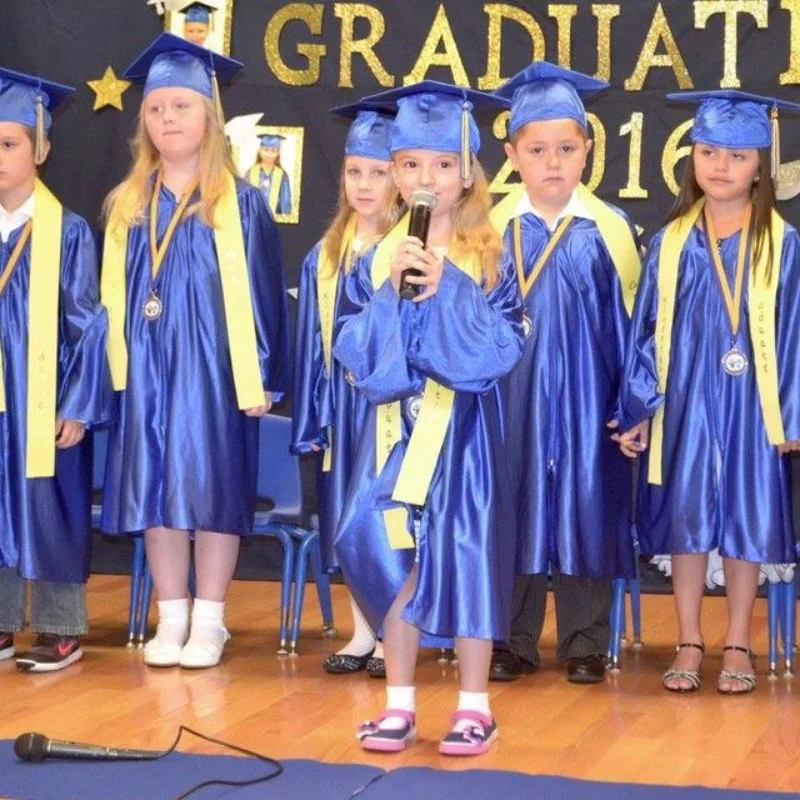
Equally vital is celebrating every child’s personal milestones—from mastering a difficult letter sound to showing kindness to a classmate. Recognizing these moments builds intrinsic motivation and self-esteem.
Community Collaboration and Parental Involvement
Education is most effective when it is a true partnership between the school and the home. The best kindergarten schools in chicago welcome parents as active participants in their child’s educational journey, recognizing that family involvement creates consistency between home and school environments.
By balancing learning and fun in full time kindergarten, schools provide opportunities for parents to stay informed through daily communication apps, progress reports, seasonal showcases, and family workshops.
Parent Participation in Shaping School Policies and Programs
Top early learning centers value family perspective when reviewing programs and community initiatives. From local school councils to family advisory boards in private early childhood centers, structured outlets allow parents to share constructive feedback.
Schools actively seek family input through regular parent surveys, informal coffee chats with directors, and volunteer committees. This open dialogue helps align school routines with family expectations and neighborhood needs.
Assessing Quality Among the Best Kindergarten Schools in Chicago
Evaluating a kindergarten’s performance requires looking beyond standardized testing to assess qualitative indicators of child well-being and growth. Outstanding schools systematically track individual progress across multiple developmental domains:
- Cognitive & Academic Progress: Early reading fluency, foundational math comprehension, and critical thinking skills.
- Social-Emotional Development: Self-regulation, cooperative play, conflict resolution, and empathy for peers.
- Physical & Fine Motor Milestones: Spatial awareness, handwriting readiness, drawing, and multi-sensory engagement.
- Language & Communication Growth: Expressive vocabulary, storytelling ability, and progress in bilingual or Polish-language concepts.
- Family Satisfaction: Consistent positive feedback regarding school safety, communication, and teacher dedication.
Frequently Asked Questions About Chicago Kindergartens
What makes a kindergarten program successful for young children?
A successful program balances academic preparation with social-emotional support. It features qualified, caring teachers, clean and engaging facilities, small class sizes, and a well-rounded curriculum that incorporates arts, movement, hands-on learning, and foreign language enrichment.
How do parents contribute to kindergarten school policies?
Parents contribute through parent-teacher advisory committees, regular feedback surveys, policy reviews, parent-teacher conferences, and volunteering for school-wide events and cultural celebrations.
How do schools measure a kindergarten’s learning environment?
Educators measure environment quality through ongoing observational assessments, developmental milestone tracking, teacher-child interaction rubrics, health and safety reviews, and feedback collected from families.
Conclusion
Finding the right educational foundation sets your child on a path of lifelong learning and confidence. At Fantasy Island Schools for Kids, founded in 2009 by Beata Bielic, we have spent years cultivating a warm, enriched environment tailored to the developmental needs of young children.
Located at 6100 N Milwaukee Ave, Chicago, IL 60646, our school serves families across Chicago’s Northwest Side and surrounding communities, including Norwood Park, Edison Park, Gladstone Park, Jefferson Park, Sauganash, Edgebrook, Portage Park, Niles, Park Ridge, Skokie, Norridge, and Harwood Heights.
We welcome children ages 2 to 6 with flexible full-time and part-time options, operating Monday through Friday from 7 AM to 6 PM. Our weekly tuition (approximately $300-$400/week) includes freshly cooked meals prepared on-site, weekly music instruction with a dedicated teacher, and our advanced Gifted Enrichment Program. To make quality early learning accessible, we accept CCAP (Illinois Child Care Assistance Program) and Illinois Action for Children; families interested in assistance details are invited to reach out to our team directly.
If you are evaluating options for your child’s early education, explore our comprehensive kindergarten program or schedule a tour online now to experience our vibrant community firsthand.
Comparing private options? Visit our kindergarten in Chicago, read about half-day kindergarten and full-day kindergarten in Illinois, or schedule a tour.