
Developmental Benefits of Early Art Exploration for Ages 2-6
Art classes for toddlers in Chicago give young children a nurturing space to build fine motor coordination, sensory processing skills, and creative self-expression through open-ended tactile play. Early childhood is a critical window of rapid brain growth, and hands-on art exploration plays a vital role in building foundational cognitive, social, and physical capabilities. When young toddlers and preschoolers paint, squish, tear, print, and sculpt, they are doing far more than making decorative keepsakes; they are constructing complex neural pathways and discovering how their physical actions shape the physical world around them.
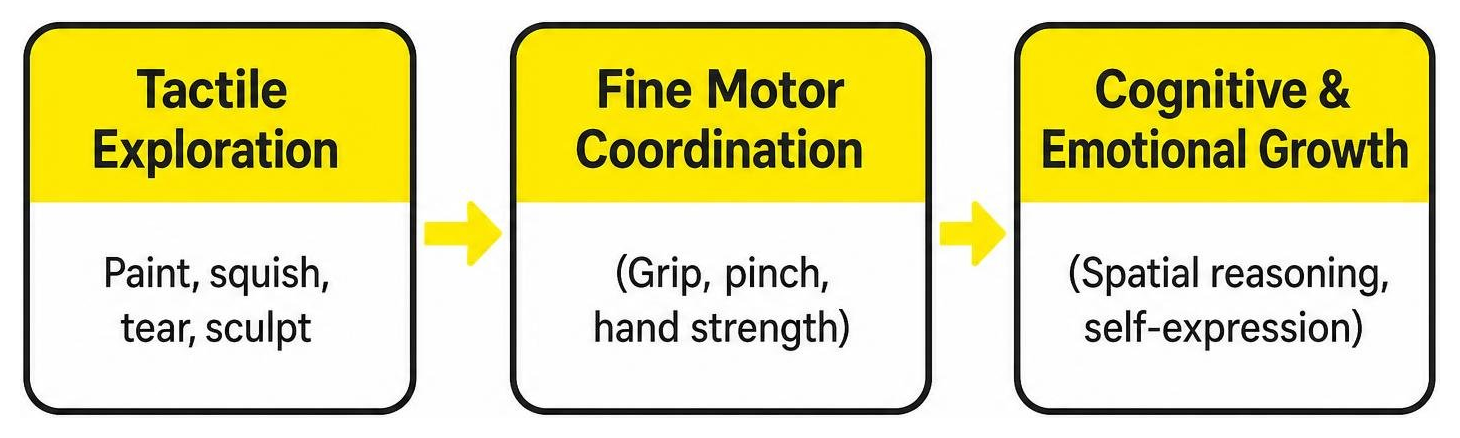
When toddlers engage in creative projects within a structured early daycare environment or neighborhood studio, they strengthen several interconnected developmental domains simultaneously:
- Fine Motor Control and Bilateral Coordination: Squeezing pliable clay, grasping chunky brushes, tearing construction paper, and peeling masking tape require the intricate muscles in the fingers, hands, and wrists to work in harmony. Using both hands simultaneously—such as stabilizing paper with one hand while drawing bold strokes with the other—builds essential bilateral coordination necessary for writing, buttoning coats, and using utensils.
- Sensory Processing and Neural Integration: Tactile engagement with cool finger paints, textured paper, squishy water-based dough, and gritty sand mediums enriches multi-sensory learning environments. This rich variety of sensory input helps young learners process, integrate, and respond comfortably to novel physical textures and environmental stimuli.
- Spatial Reasoning and Visual-Motor Integration: Arranging geometric shapes, layering colorful collage items, and experimenting with three-dimensional structures teach early spatial concepts such as balance, depth, proportion, and visual boundaries.
- Emotional Regulation and Non-Verbal Expression: For two- and three-year-olds who are still mastering verbal communication, visual art serves as a calming, therapeutic outlet. Channeling feelings through sweeping brushstrokes or tactile shaping supports emotional balance and self-soothing.
Open-ended artistic experimentation connects directly to broader experiential learning benefits, allowing young preschoolers to master foundational problem-solving concepts through direct sensory investigation. When children mix two colors and watch a new hue emerge, or discover that pressing harder with a crayon creates a darker line, they are learning cause and effect, prediction, and flexible thinking. These early discoveries build the confidence to approach unfamiliar tasks with curiosity rather than hesitation, a mindset that carries into early literacy, early math, and social problem-solving. Repeated exposure to varied art materials also helps children develop persistence, as they learn that some projects take multiple steps and that mistakes can become new creative directions.
Top Formats for Art Classes for Toddlers in Chicago
Chicago offers a rich spectrum of early childhood art opportunities across city neighborhoods, ranging from caregiver sensory playgroups to drop-off studio workshops and community fieldhouse sessions. Choosing the best format depends on your child’s developmental stage, social readiness, and comfort level in small group settings.
| Class Format | Target Age Range | Parent Participation | Common Mediums | Typical Focus |
|---|---|---|---|---|
| Parent-and-Tot | 16 months – 3 years | Fully required | Finger paint, edible dough, sensory bins | Tactile exploration, social bonding |
| Independent Studio | 3 – 6 years | Drop-off | Watercolors, clay handbuilding, pastels | Medium diversity, creative problem-solving |
| Multi-Arts Enrichment | 3 – 5 years | Drop-off | Mixed media, music, storytelling | Cross-sensory connections, literacy |
| Community Park Programs | 2 – 6 years | Varies by park site | Washable tempera, paper crafts, collage | Accessible socialization, foundational motor skills |
Parent-and-Tot Art Classes for Toddlers in Chicago
For toddlers between 16 months and 3 years old, parent-and-tot programs provide a gentle, supportive gateway into group learning. In these classes, a parent or caregiver participates directly alongside the toddler, serving as an emotional anchor that empowers hesitant learners to dive into novel sensory experiences.
These sessions emphasize hands-on, messy sensory play that families often find challenging to orchestrate at home. Toddlers squish natural clay, experiment with edible paints, manipulate water basins filled with floating foam shapes, and make broad arm strokes across sprawling floor butcher paper. This shared time strengthens caregiver attachment while giving toddlers opportunities to observe peers and develop early social awareness through guided play-based learning activities.
Independent Studio and Multi-Arts Sessions
As children reach ages 3 through 6, their attention spans lengthen and their fine motor control becomes significantly more refined. Independent drop-off art studios invite preschoolers to explore specialized materials like air-dry clay, tempera cakes, soft pastels, printmaking rollers, and collage fibers under the patient guidance of early childhood art educators.
Many studio programs integrate visual art with expressive movement, rhythm, and oral storytelling, demonstrating how combining music and art in early education stimulates multiple neural pathways at once. Within these collaborative studios, children learn to follow two- and three-step instructions, share shared paint trays, practice patience while taking turns, and gain deep pride in their individual creative voice.
Community-Based Art Classes for Toddlers Chicago Programs
Families looking for neighborhood-focused, budget-friendly options can take advantage of the diverse offerings hosted by community cultural centers and park facilities across the city. The affordable enrichment courses curated by Chicago Park District Arts & Culture Programs bring accessible visual arts to historic neighborhood fieldhouses across Chicago. For example, early childhood workshops such as introductory craft and color sessions at local park fieldhouses introduce toddlers to sensory craft and fundamental color concepts close to home. In adjacent suburban communities, local public libraries and park districts also provide seasonal creative arts classes that blend tactile making with early literacy and social cooperation.
What to Look for in a Quality Toddler Art Curriculum
When researching art classes for toddlers in Chicago, look for programs specifically tailored to the cognitive and physical realities of early childhood rather than rigid, adult-led craft projects.
Consider these foundational indicators of quality:
- Process-Over-Product Philosophy: A quality toddler art class celebrates the physical journey of making art rather than demanding an identical finished product. Skilled teachers pose open-ended prompts (“How does the paint feel when you swirl it with your fingers?”) instead of correcting how a child holds a brush or where they glue a shape.
- Certified Non-Toxic Materials: Classrooms must utilize fully non-toxic, AP-certified, water-soluble art supplies. Look for washable tempera, natural beeswax crayons, food-safe doughs, and blunt safety scissors designed for small hands.
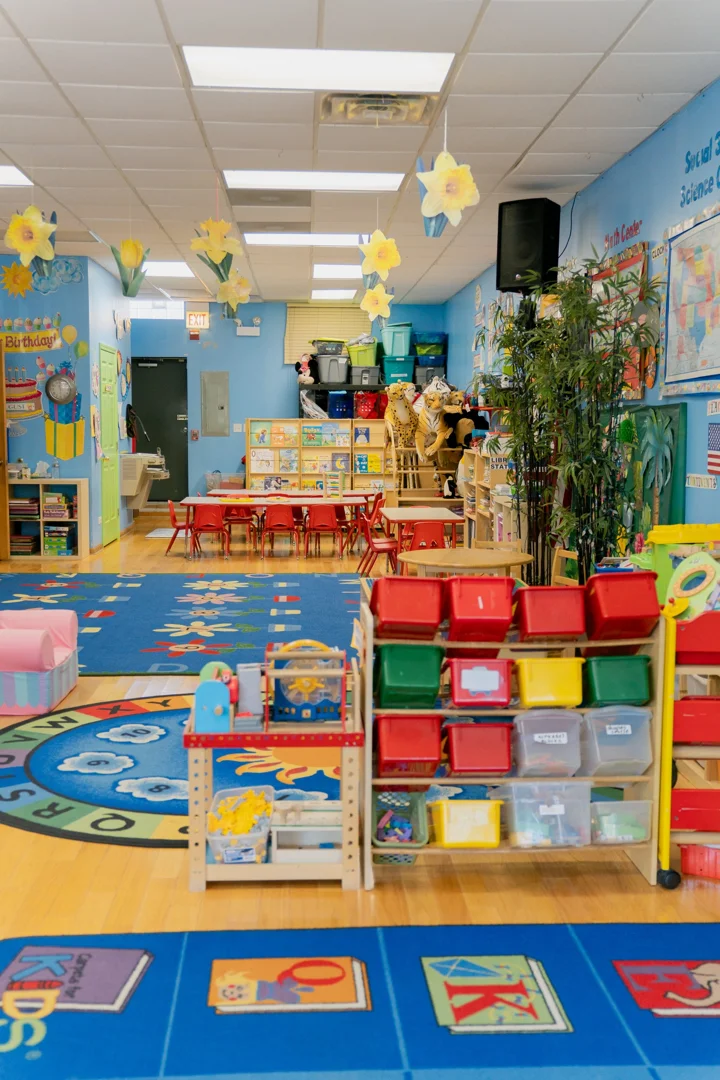
- Child-Centered Studio Layout: High-quality studios feature low, sturdy tables, accessible wash basins at child height, organized material trays, and drying racks that allow children to take ownership of their tools and workspace.
- Gentle, Predictable Class Structure: Toddlers thrive with consistent routines. Look for sessions that follow an intuitive rhythm: an inviting welcome story, hands-on sensory exploration, open studio creation, and a shared clean-up routine that reinforces independence.
Frequently Asked Questions About Toddler Art Classes in Chicago
At what age can toddlers start attending structured art classes?
Most parent-and-tot sensory art classes welcome children beginning between 16 and 24 months of age, when toddlers can sit independently, grip basic tools, and interact safely with tactile materials. Independent drop-off art classes generally require children to be at least 3 years old, comfortable separating from caregivers, and independent with basic bathroom routines.
What safety standards and materials should parents look for?
Art classes for children ages 2 to 6 must use strictly non-toxic, AP-certified, water-washable materials. Studios should provide protective smocks, maintain daily sanitization routines for communal brushes and tools, and enforce clear allergen guidelines when using sensory bin fillers like oats, rice, flour doughs, or seed mixtures.
How are toddler art classes typically scheduled and priced across Chicago?
Neighborhood studios and community centers offer both drop-in single classes and multi-week semester registrations. Drop-in sensory sessions typically offer flexible scheduling for toddlers on weekday mornings, while preschool studio workshops run in the afternoon or on weekend mornings. Parents should always verify whether all materials, glazes, and cleanup supplies are included in the posted registration fee. For families weighing the cost of enrichment classes alongside full-time early learning programs, it can help to review tuition details and ask providers directly about what each session includes.
Conclusion
Early childhood art exploration provides young learners with an essential foundation for fine motor development, sensory integration, and emotional confidence. Whether your family chooses a weekly caregiver-and-tot playgroup or an integrated classroom environment, routine engagement with creative mediums nurtures genuine curiosity and creative problem-solving.
At Fantasy Island Schools for Kids, located in Norwood Park at 6100 N Milwaukee Ave, we incorporate daily creative arts, tactile sensory exploration, and Brain Gym movements into our licensed curriculum for children ages 2 to 6. Our experienced educators foster a joyful, supportive environment where young children explore colors, textures, and imaginative ideas every day. We invite local Northwest Side families to schedule a tour and see our vibrant learning spaces firsthand.