

Choosing the Right Preschool Starts With What You Can See
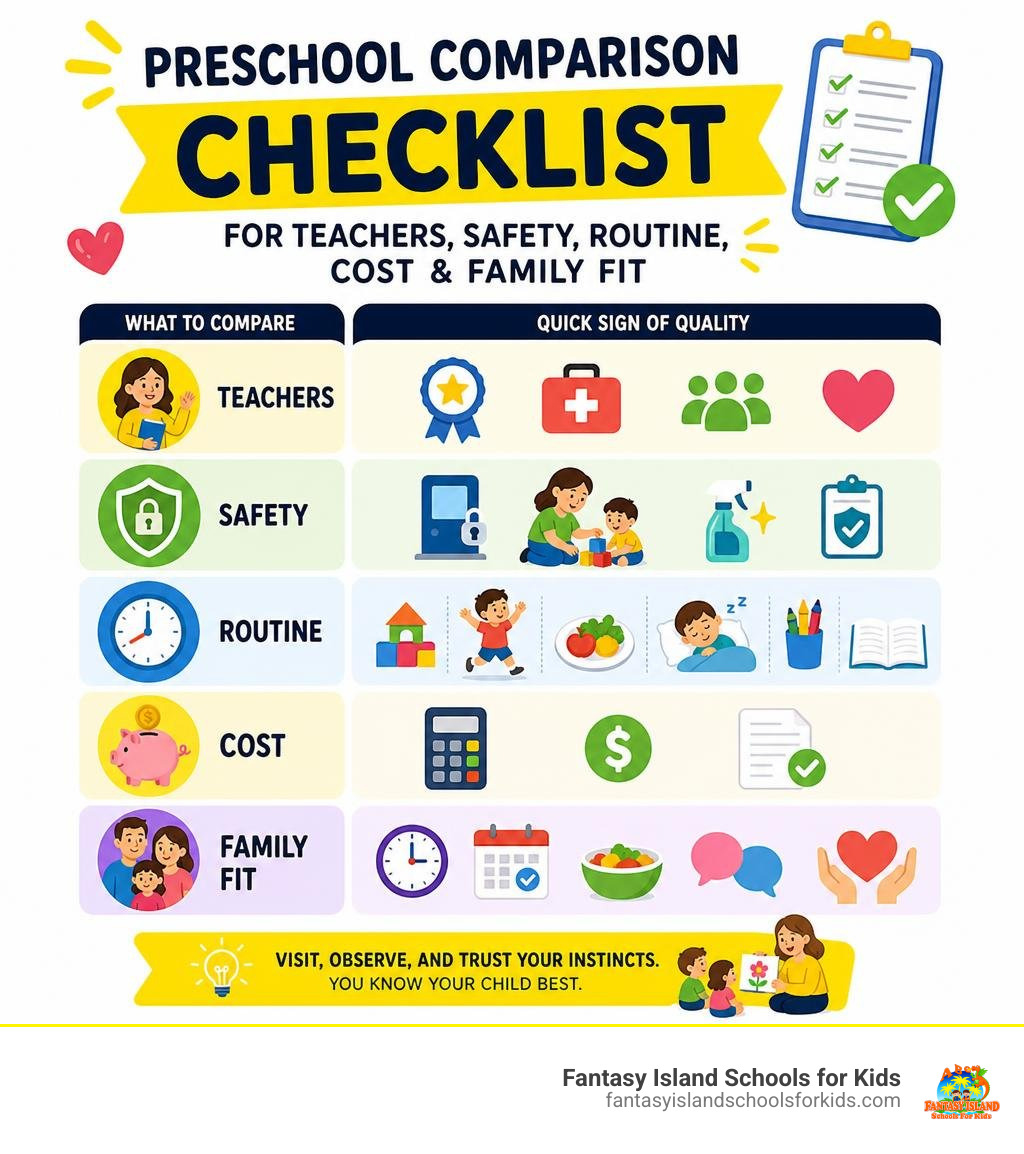
Choosing the Right Preschool comes down to a few clear signs: warm, qualified teachers; small enough class groups for real attention; a safe, clean space; a balanced daily routine; and communication you can count on.
| What to compare | Quick sign of quality |
|---|---|
| Teachers | Early childhood training, current CPR/First Aid, low turnover, respectful guidance |
| Classroom | Children are engaged, teachers are at eye level, and play supports learning |
| Safety | Secure entry, active supervision, clean materials, clear illness procedures |
| Routine | Time for play, movement, meals, rest, creative work, and early learning |
| Family fit | Hours, tuition, meals, language support, and parent communication match your needs |
For Chicago families, practical details matter too. Compare full- and part-time availability, commute, total weekly cost, what tuition includes, and whether the school accepts support such as CCAP or Illinois Action for Children. A tour is your best chance to look past marketing and see how adults speak to children, handle conflict, and make each child feel included.
Fantasy Island Schools for Kids was founded in 2009 by Beata Bielic and is located at 6100 N Milwaukee Ave, Chicago, IL 60646. As Executive Director with more than 17 years in early childhood education, Beata has helped many families navigate Choosing the Right Preschool for children ages 2 to 6 across Chicago’s Northwest Side and nearby suburbs.
Key Criteria for Choosing the Right Preschool in Chicago
When evaluating early care centers across Chicago’s Northwest Side, understanding what defines educational quality helps you separate polished brochures from actual classroom excellence. National standards, including guidelines from the National Association for the Education of Young Children (NAEYC), recommend a maximum teacher-to-student ratio of 1:10 for preschool-aged children, though smaller ratios (such as 1:8) offer even more individualized supervision.

Beyond simple ratios, teacher qualifications directly shape your child’s everyday experience. High-quality programs prioritize educators who hold specialized Early Childhood Education (ECE) credentials, along with mandatory certifications in First Aid and CPR. Furthermore, training in trauma-informed care ensures educators know how to guide emotional regulation, handle behavioral challenges constructively, and make every child feel secure.
Physical safety standards are equally foundational. Look for secure building access protocols, monitored entry doors, thorough background checks for all personnel, and clear child-proofing practices. Studies on early care selection highlighted in AP News guidance on picking child care emphasize that adult-child interactions serve as the single most vital indicator of program success. During classroom tours, notice whether educators speak respectfully to children at eye level rather than calling across the room.
Public vs. Private Preschool Options in Chicago
Chicago families evaluating preschool enrollment face a choice between public programs, such as Chicago Public Schools (CPS) pre-K or state-funded options, and private tuition-based early learning centers. Public pre-K programs provide free early education primarily for four-year-olds (and limited three-year-olds), often following public elementary school schedules. However, public pre-K options can be limited by regional availability, strict boundary lotteries, or half-day schedules that create logistical challenges for working parents.
Private early learning centers offer broader schedule flexibility, including year-round programming, extended care hours (such as 7 AM to 6 PM), and enrollment beginning at age two. For parents navigating full day preschool options across chicago neighborhoods, private programs often provide comprehensive enrichment under one roof. When comparing public and private setups, weigh your work schedule, your child’s age, transportation logistics, and special offerings like foreign language exposure or specialized curriculum models.
Financial Assistance and Subsidies for Chicago Families
Childcare expenses are a significant factor for families in the Chicago area. Weekly tuition rates across Chicago’s Northwest Side and surrounding suburbs typically range from $300 to $400 or more per week, depending on the age of the child, schedule, and program features. When budgeting, it is important to calculate the total cost of care by asking about potential hidden enrollment fees, materials fees, meal charges, or late pick-up penalties.
To make quality early care accessible, Illinois provides financial support through the Child Care Assistance Program (CCAP), administered locally by organizations such as Illinois Action for Children. CCAP helps eligible working families or students afford licensed childcare and preschool services.
At Fantasy Island Schools for Kids, we proudly accept CCAP and work alongside families navigating Illinois Action for Children subsidies. When discussing affordability with prospective directors, ask whether tuition covers daily freshly cooked meals, specialized enrichment programs, and classroom materials, or if those require extra out-of-pocket fees. Families interested in program support can explore resources like How to Choose a Preschool: A Step-by-Step Guide for Parents to better understand financial planning steps.
Evaluating Preschool Curricula, Safety, and Daily Routines
A high-quality preschool balances structured learning with rich, play-based exploration. Young children thrive in predictable environments where daily visual schedules transition seamlessly between quiet activities, hands-on learning, physical movement, healthy meals, and rest.
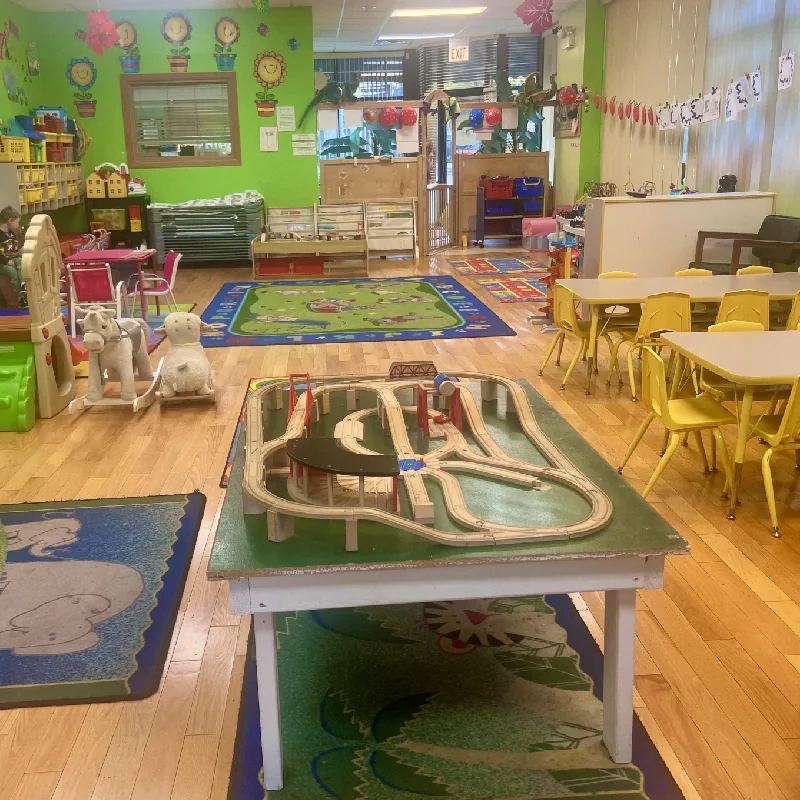
When touring facilities, inspect classroom learning stations to ensure materials are clean, accessible, and organized to foster independence. Dedicated indoor multi-sensory spaces allow children to build motor skills and engage in energetic play even during cold Chicago winter months, while safe outdoor play areas support gross motor growth when weather permits.
Health and hygiene protocols must be rigorous. Ask how frequently learning supplies, tabletop surfaces, and soft toys are sanitized with child-safe disinfectants. As detailed in the Johns Hopkins Medicine guide on essential preschool questions, asking directors about written sick child policies, staff health requirements, and secure check-in/check-out systems provides immediate clarity on a school’s commitment to child wellness.
Choosing the Right Preschool Philosophy for Your Child’s Temperament
Every child possesses a distinct learning style, personality, and developmental rhythm. Matching your child’s unique temperament with the appropriate educational philosophy creates an environment where they can build confidence.
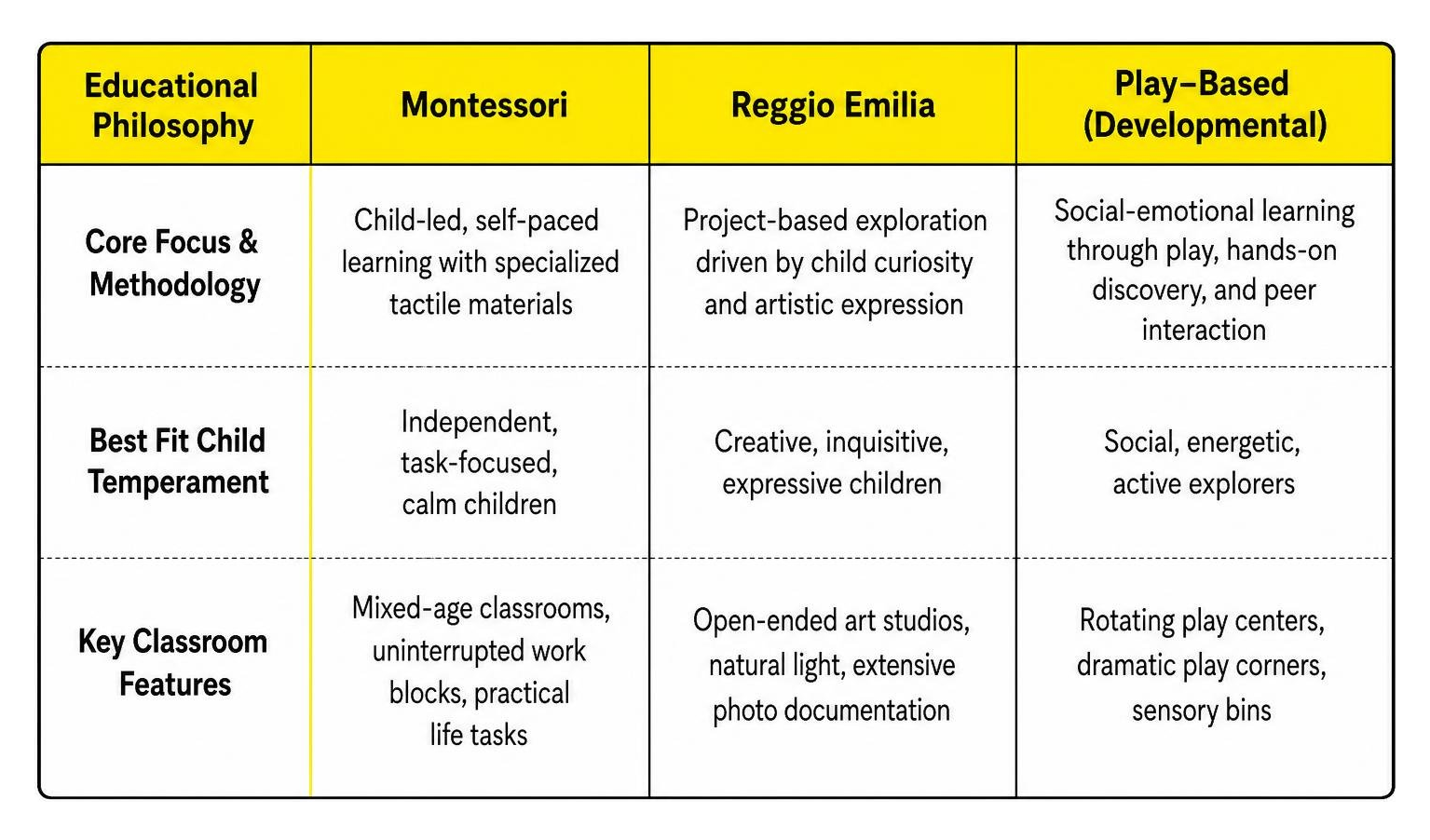
| Educational Philosophy | Core Focus & Methodology | Best Fit Child Temperament | Key Classroom Features |
|---|---|---|---|
| Montessori | Child-led, self-paced learning with specialized tactile materials | Independent, task-focused, calm children | Mixed-age classrooms, uninterrupted work blocks, practical life tasks |
| Reggio Emilia | Project-based exploration driven by child curiosity and artistic expression | Creative, inquisitive, expressive children | Open-ended art studios, natural light, extensive photo documentation |
| Play-Based (Developmental) | Social-emotional learning through play, hands-on discovery, and peer interaction | Social, energetic, active explorers | Rotating play centers, dramatic play corners, sensory bins |
| Academic / Traditional | Teacher-directed pre-academic skills, early literacy, and school readiness | Structured, focused learners who like routine | Guided desk work, teacher-led instruction, schedule predictability |
| Gifted Enrichment | Experiential problem-solving, advanced vocabulary, music, and multi-sensory projects | Curious, highly inquisitive, multi-talented learners | Advanced cognitive challenges, music integration, specialized project tracks |
Understanding these distinctions helps parents align their family goals with classroom expectations. As noted in BC Parent Newsmagazine early learning guide, matching program structure to a child’s natural temperament prevents daily stress and encourages enthusiasm for school.
Language Immersion, Multilingual Learners, and Special Needs
Early childhood is the ideal window for language acquisition. Approximately one-third of young children across the nation grow up in multilingual households or are Dual Language Learners (DLLs). Early exposure to multiple languages enhances cognitive flexibility, problem-solving ability, and executive functioning skills.
In our program at Fantasy Island Schools for Kids, English is the language of instruction, and home languages are welcomed in daily routines, songs, stories, and conversations. Polish language classes every Friday and Polish- and Ukrainian-speaking teachers help children maintain family connections while building strong English literacy for kindergarten.
For children requiring developmental monitoring or sensory support, a quality preschool collaborates closely with families. Early screening allows educators to identify learning differences early and implement gentle redirection, structured sensory breaks, and individualized learning support to ensure every child feels included and successful.
Step-by-Step Checklist for Touring Preschools
Scheduling an in-person classroom visit during active school hours is the most effective way to judge program fit. Plan to observe classroom dynamics for at least 30 to 45 minutes.
Use this step-by-step framework during your school tour:
- Observe Educator Demeanor: Watch how teachers interact with students. Are they warm, patient, and making eye contact at the child’s level?
- Evaluate Classroom Atmosphere: Is the environment calm, joyful, and productive, or loud, chaotic, and disorganized?
- Listen for Positive Reinforcement: Notice how educators praise effort. Specific praise (e.g., “I love how you shared the blue blocks with your friend”) builds social skills far more effectively than generic statements.
- Inspect Displayed Student Work: Look at wall displays. Are they authentic, unique child creations, or identical pre-cut worksheets? Authentic art reflects individual child expression.
- Check Communication Infrastructure: Ask how teachers share daily updates, meal logs, nap schedules, and developmental milestones with parents (e.g., dedicated parent apps, daily reports, or formal conferences).
Essential Questions to Ask During Your School Visit
To gain full clarity, ask administrators and teachers these critical operational questions:
- Illness & Health Protocols: “What are your exact policies regarding fever, contagious illnesses, and when a child may safely return to school?”
- Toilet Training Support: “Does my child need to be fully potty-trained before starting, and how do staff assist with training routines or occasional accidents?”
- Staff Stability: “What is your average teacher retention rate, and what professional development opportunities do staff receive?”
- Behavior Management: “How do educators handle toddler conflicts, turn-taking issues, or emotional meltdowns in the classroom?”
- Nutrition & Meals: “Are meals cooked fresh on-site, are nutritional needs accommodated, and is mealtime included in standard tuition?”
Red Flags to Avoid When Choosing the Right Preschool
When comparing prospective schools around Jefferson Park, Gladstone Park, or Edison Park, be alert to potential warning signs:
- High Teacher Turnover: Frequent staff changes prevent children from forming stable, trusting emotional bonds.
- Defensive Administration: Directors who resist answering detailed questions about ECE credentials, safety procedures, or classroom policies.
- Lack of Visible Visual Schedules: Classrooms without predictable daily visual charts can cause anxiety for young children struggling with transitions.
- Disengaged Educators: Teachers who spend time seated away from children, raise their voices, or rely heavily on screen time rather than interactive play.
- Inadequate Physical Safety Controls: Unlocked entry doors, poorly stored cleaning supplies, or unmonitored play spaces.
Preparing Your Child for a Smooth Preschool Transition
Starting preschool is a major developmental milestone that can trigger natural separation anxiety for both children and parents. Preparing ahead of time transforms potential stress into eager excitement.
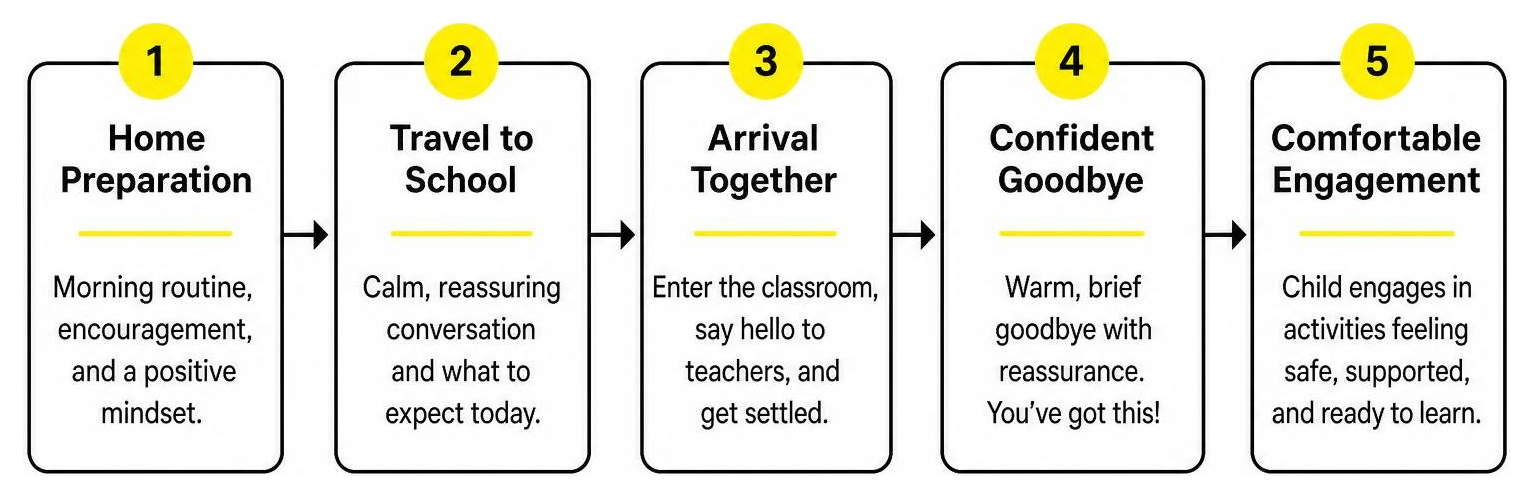
Help your child prepare using these simple strategies:
- Visit the School Together: Walk around the facility, play on the playground, and meet the teachers before their official first day.
- Read Stories About School: Shared reading about preschool routines normalizes the experience and gives your child words for their emotions.
- Align Home Routines: Adjust nap times, lunch routines, and morning wake-up schedules two weeks prior to school start to mirror the classroom routine.
- Establish a Brief Goodbye Ritual: Create a reassuring goodbye routine (such as a hug, high-five, and a cheerful “I’ll be back after afternoon snack!”). Protracted goodbyes often heighten separation distress.
- Practice Self-Care Independence: Encourage your child to practice opening lunch containers, putting on their shoes, and washing their hands independently.
Frequently Asked Questions about Preschool Selection
How far in advance should I start looking for a preschool in Chicago?
It is recommended to begin researching preschool options six to nine months prior to your intended start date. In popular Northwest Chicago neighborhoods and surrounding suburbs like Park Ridge, Skokie, or Niles, high-demand programs often open fall enrollment waitlists during the preceding winter or early spring. Beginning early allows ample time for tours, financial assistance applications, and scheduling transition visits.
What is the recommended child-to-teacher ratio for preschool classrooms?
The National Association for the Education of Young Children (NAEYC) recommends a maximum student-to-teacher ratio of 1:10 for preschool children (ages 3 to 5), with group sizes not exceeding 20 children. For younger toddlers (ages 2 to 3), lower ratios such as 1:4 to 1:6 are standard. Lower ratios ensure closer personal attention, stronger safety oversight, and better support for individual learning styles.
How do I know if my child is emotionally ready for preschool?
Children are typically ready for preschool between ages 2½ and 4 when they demonstrate basic communication skills, show curiosity about playing alongside peers, can follow simple two-step directions, and can handle short periods of separation from parents. Complete independence in self-care skills is not always required, as warm educators assist with potty training, coat zipping, and hand washing.
Conclusion
Choosing the right early learning environment shapes your child’s confidence, curiosity, and love for learning during their most foundational years. By focusing on safety protocols, qualified educators, balanced daily routines, and clear communication, you can select a school where your child will truly thrive.
Founded in 2009 by Beata Bielic, Fantasy Island Schools for Kids is conveniently located at 6100 N Milwaukee Ave, Chicago, IL 60646. We proudly serve children ages 2 to 6 with full-time and part-time enrollment options, operating Monday through Friday from 7 AM to 6 PM.
Our program is a practical fit for families across Chicago’s Northwest Side and nearby suburbs, including parents commuting from areas around Norwood Park, Jefferson Park, Niles, Park Ridge, Skokie, Norridge, and Harwood Heights.
With tuition around $300-$400/week, our all-inclusive structure provides freshly cooked daily meals, weekly music classes led by a dedicated instructor, a large multi-sensory play space, and a specialized Gifted Enrichment Program at no additional cost. We also accept CCAP (Illinois Child Care Assistance Program) and Illinois Action for Children subsidies to ensure quality early education remains accessible. Many of our graduates successfully transition into competitive gifted elementary programs, and our curriculum is designed to help every child build lifelong social and academic confidence.
To explore our classrooms and meet our dedicated team, visit Fantasy Island Schools for Kids today to schedule your private tour.