

Finding Before and After School Care in Chicago
For before and after school care in Chicago, start with your child’s age and schedule. If your child is approaching kindergarten, review our kindergarten program to see how structured early learning can support the transition. Park programs often serve school-age children, while licensed early childhood centers may offer longer days for younger children. Before you enroll, check the hours, pickup arrangements, care on days off school, total cost, and financial assistance.
This guide will help you compare those options and ask the right questions for your family, assessing the care options available near Norwood Park and the surrounding Northwest Side.
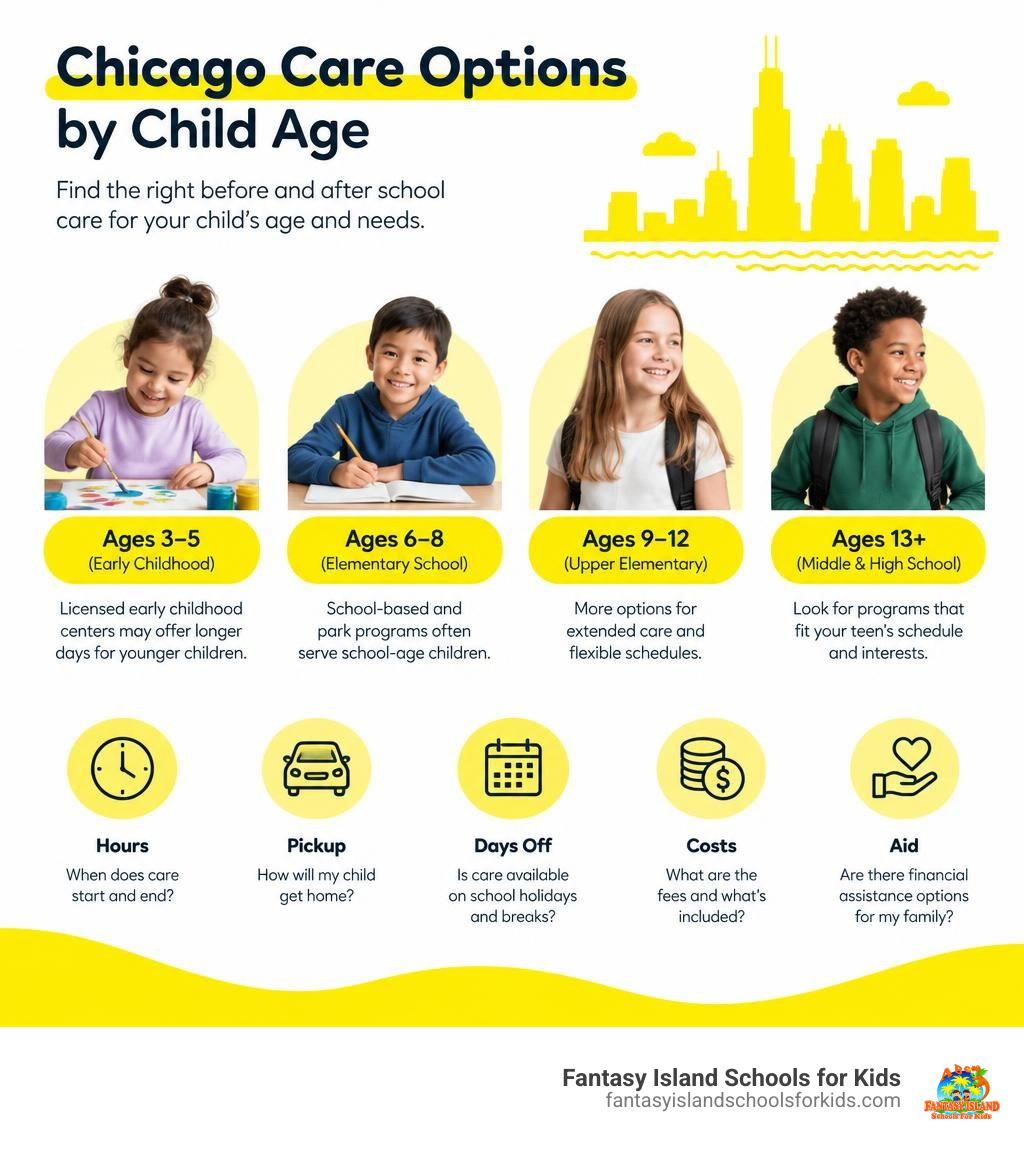
Quick before and after school care Chicago terms:
Types of Before and After School Care in Chicago
Finding reliable care outside standard school hours is a top priority for working parents throughout the city. Most public and private elementary school bells ring between 8:00 AM and 3:00 PM, creating a multi-hour care gap for working households. Families generally consider a few broad categories of care depending on their child’s age, daily schedule, and neighborhood location, ranging from school-based and recreational programs for older children to dedicated early learning centers for younger ones.
| Program Type | Typical Age Range | Standard Hours | Best Suited For |
|---|---|---|---|
| School-Based Programs | Grades K–8 (Ages 5–14) | Dismissal to 5:00 PM / 6:00 PM | Families wanting care located directly at their child’s elementary school. |
| Recreational Programs | Ages 6–12 | 3:00 PM to 6:00 PM | Elementary children who enjoy high-energy sports, arts, and group activities. |
| Licensed Early Childhood Centers | Ages 2–6 | 7:00 AM to 6:00 PM | Preschool and kindergarten learners needing early morning drop-off, hot meals, and targeted developmental enrichment. |
Considering Recreational and Community Options
For elementary-age children, some families look to neighborhood recreational programs that combine homework time with active play, sports, and arts and crafts. These programs can be a good fit for school-age children who thrive on high-energy group activities after a sedentary classroom day.
Licensed Early Childhood Centers for Before and After School Care in Chicago
Families with toddlers, preschoolers, and early primary learners often require an educational setting with extended morning hours, since many elementary school programs do not offer before-care starting at 7:00 AM or are not designed around the developmental needs of 2- to 6-year-olds.
Enrolling your young learner in dedicated licensed early childhood childcare ensures they spend their mornings and late afternoons in age-appropriate classrooms with certified educators. Rather than waiting in a loud gym or chaotic hallway, children participate in structured circle time, early literacy activities, fine-motor art projects, and social play. For families residing in Northwest Side neighborhoods like the Portage Park community, a local licensed center can offer an essential balance of safety, structured learning, and warm emotional care.
Program Schedules, Hours, and Coverage for School Days Off
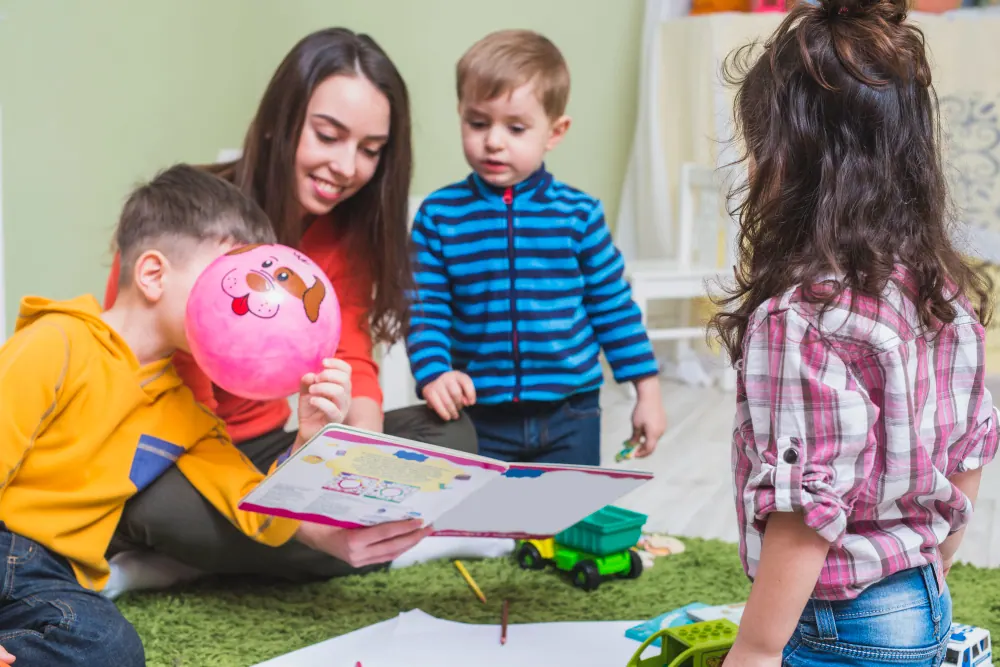
A major hurdle for working parents is managing unpredictable district schedules, half-days, and teacher institute days. Comprehensive childcare must offer coverage beyond standard dismissal bells to accommodate real-world work commutes.
Standard Daily Schedules and Transportation Logistics
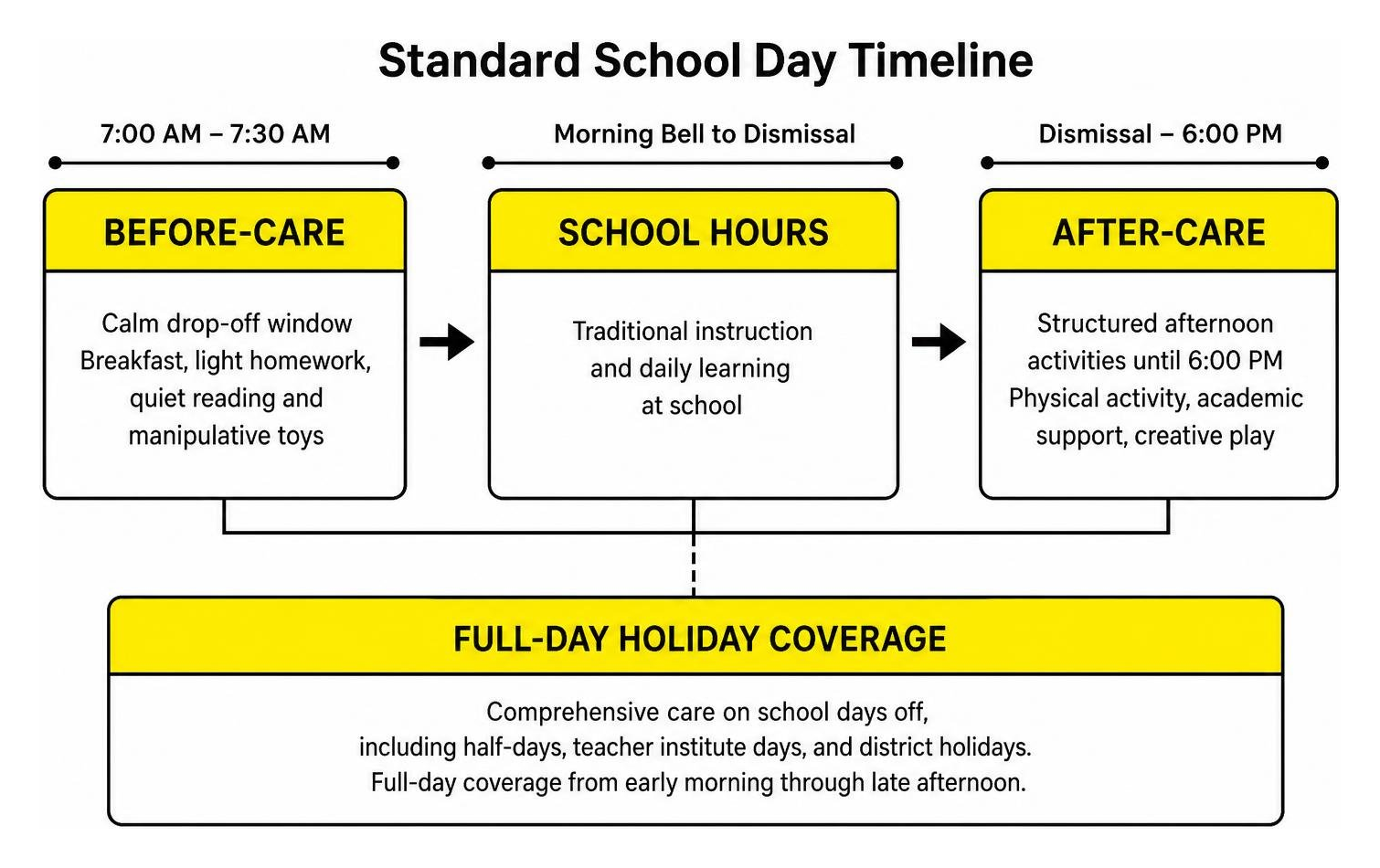
Before-care usually starts between 7:00 AM and 7:30 AM, offering a calm drop-off window before the morning bell. Children can eat a nutritious breakfast, finish light homework, or enjoy quiet reading and manipulative toys.
After-care sessions run from standard dismissal (typically 2:30 PM to 3:15 PM) until 6:00 PM. High-quality programs structure the late afternoon into predictable 30- to 50-minute blocks that balance physical activity, academic reinforcement, and creative play.
When children attend off-site after-care, transportation logistics must be coordinated directly between parents, the elementary school secretary, and the care provider. Many parents instead choose a licensed center that manages the entire early learning and extended-day schedule under one roof to eliminate transit steps entirely.
Days Off School and Holiday Break Coverage
District calendars frequently include teacher professional development days, parent-teacher conference closures, and extended holiday breaks. Licensed early childhood facilities often host full-day programs from 7:00 AM to 6:00 PM on non-attendance days, helping families avoid last-minute scrambling for care.
Securing a spot in a year-round center helps ensure your family has seamless full-day child care without needing to find emergency babysitters on school holidays.
Enrichments, Safety Standards, and Developmental Benefits
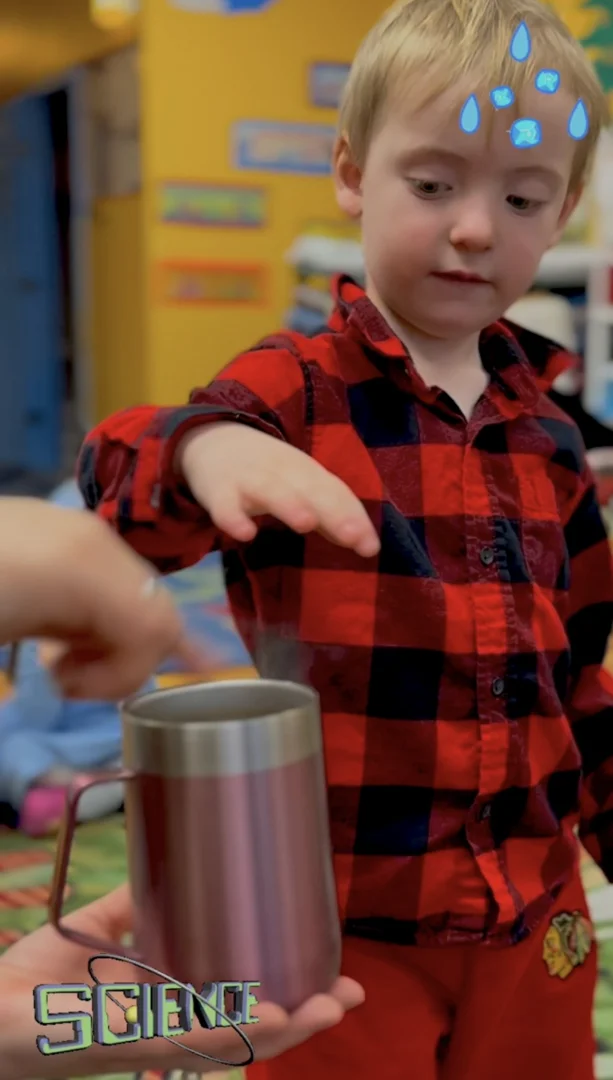
Quality before and after school programs provide structured environments where children build essential social-emotional skills, confidence, and motivation for learning. Beyond simple supervision, these programs serve as vital hubs for social-emotional growth and whole-child development.
Enrichments in Before and After School Care Chicago Settings
The best extended-day environments use project-based learning to keep young minds engaged without feeling like an extended lecture. Key enrichment pillars include:
- STEAM & Maker Projects: Hands-on science experiments, basic robotics, nature exploration, and introductory coding concepts that encourage critical thinking.
- Movement & Physical Literacy: Structured gym games, yoga, and mind-body movement exercises that help children reset their focus after a structured academic day.
- Creative & Expressive Arts: Process-focused painting, pottery, music, and dramatic roleplay that build fine-motor control and creative confidence.
- Social-Emotional Learning (SEL): Group games and cooperative challenges that teach empathy, conflict resolution, active listening, and self-regulation.
DCFS Licensing, Safety Protocols, and Staff Qualifications
Urban child care demands the highest standards of physical and emotional safety. In Illinois, center-based programs are regulated by the Illinois Department of Children and Family Services (DCFS). When evaluating providers, confirm that the program maintains:
- State Licensing & Clear Ratios: Current DCFS licensing demonstrating full compliance with background checks, building safety codes, and proper staff-to-child ratios.
- Certified Staff: Early childhood educators holding Early Childhood Education (ECE) credentials, along with universal First Aid and CPR certifications.
- Comprehensive Health Training: Staff training in trauma-informed care, asthma management, food allergy protocols, and emergency preparedness.
- Secure Access Procedures: Keycard or monitored entryways, verified photo-ID sign-out systems, and real-time digital attendance tracking.
Costs, Subsidies, and Registration in Illinois
Extended care costs across the Chicago area vary depending on program type, child age, daily schedules, and whether meals are provided. Families can explore community programs, park district options, and licensed private centers to find the schedule and care model that best meets their family’s needs.
Navigating CCAP and Illinois Action for Children Subsidies
Illinois provides state child care assistance to help qualifying families manage care costs. The Illinois Child Care Assistance Program (CCAP), administered locally through Illinois Action for Children, provides income-eligible working parents and students with monthly subsidies to offset child care tuition.
Under CCAP guidelines, qualifying families pay a manageable, state-determined copayment based on household size and income, while the state covers the remaining tuition balance directly with the approved provider. To understand local fee structures and subsidy integration, review our guide on childcare tuition and CCAP assistance.
Enrollment Timelines and Registration Requirements
Popular before and after school programs in Chicago often fill their spaces months in advance. To secure your child’s spot:
- Track Registration Windows: Community centers and park programs often open seasonal registration weeks prior to session starts.
- Gather Health Documentation: State licensing requires completed State of Illinois Certificate of Child Health forms, up-to-date immunization records, and emergency contact registries.
- Plan for Transition Days: Introduce your child to their new care space through an in-person tour before their first official morning drop-off.
Frequently Asked Questions About Chicago Out-of-School Care
What age groups are eligible for before and after school programs in Chicago?
Eligibility varies by provider model. Public park programs typically serve elementary students ages 6 to 12. School-based programs usually support grades K through 8. Dedicated early childhood centers specialize in younger learners ages 2 to 6, providing the specialized care, naps, and developmental learning that preschoolers and kindergartners require.
How do before and after school programs handle school holidays and institute days?
Many licensed child care centers and park recreation centers run full-day “Days Off” clubs or vacation camps from 7:00 AM to 6:00 PM during scheduled district closures, teacher institute days, and spring/winter breaks. Always check your specific provider’s annual calendar to confirm which major federal holidays are observed.
What financial assistance is available for Chicago families needing extended child care?
Eligible Illinois families can apply for child care assistance through the Illinois Department of Human Services (IDHS) Child Care Assistance Program (CCAP), managed locally by Illinois Action for Children. Many private licensed daycares and community centers accept CCAP subsidies to significantly lower out-of-pocket tuition.
Conclusion: Choosing the Right Care for Your Family
Finding the right extended care provider gives your child a safe, engaging second home while giving you complete peace of mind throughout your workday. Whether you need early 7:00 AM drop-offs, reliable homework guidance, or a supportive environment for your young learner, Chicago offers strong options to fit your family’s needs.
At Fantasy Island Schools for Kids, located in Norwood Park, we support early learners ages 2 through 6 with full-day schedules, small class sizes, and on-site freshly prepared meals. If you are exploring nurturing early education and extended care on Chicago’s Northwest Side, we invite you to take the next step by scheduling an in-person school tour today.