

A Quick Guide to Preschool Curriculum Types for Chicago Families
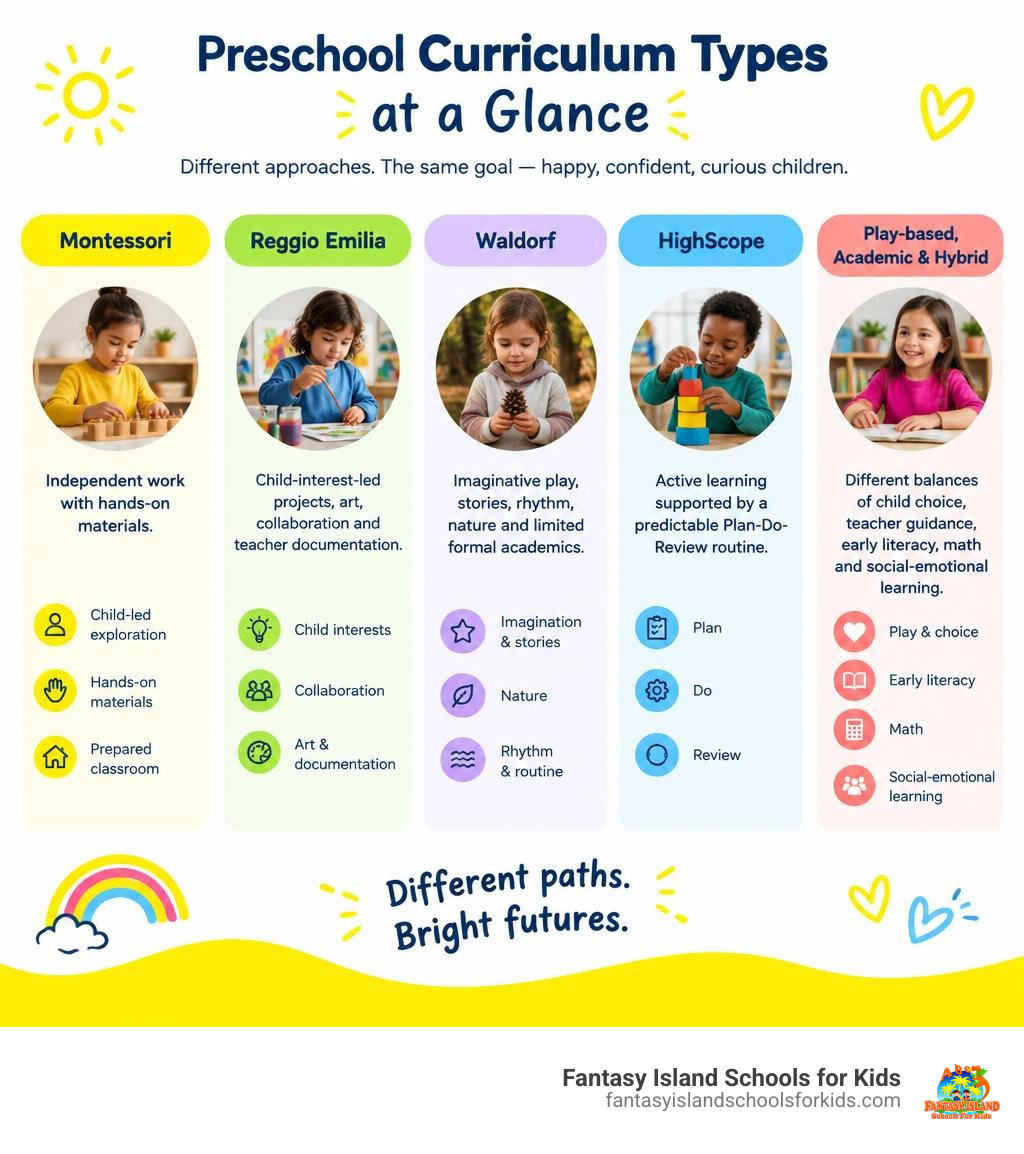
The main preschool curriculum types differ in who leads learning, how children play, and how teachers build early skills. The most common models include:
- Montessori: Independent work with hands-on materials in a carefully prepared classroom.
- Reggio Emilia: Child-interest-led projects, art, collaboration, and teacher documentation.
- Waldorf: Imaginative play, stories, rhythm, nature, and limited formal academics in the early years.
- HighScope: Active learning supported by a predictable Plan-Do-Review routine.
- Play-based, academic, and hybrid programs: Different balances of child choice, teacher guidance, early literacy, math, and social-emotional learning.
For Chicago parents, the best fit is rarely about choosing the most famous label. Look at the real classroom: whether teachers are warm and skilled, children are engaged, play has purpose, and the daily routine supports your child’s needs, language, and family priorities.
At Fantasy Island Schools for Kids on Chicago’s Northwest Side, our multilingual program for children ages 2 to 6 uses a balanced, experiential approach that combines multi-sensory learning, guided activities, collaboration, and time to explore. As you compare local options, this guide will help you understand what each model can look like in practice.
I am Beata Bielic, owner of Fantasy Island Schools for Kids and an early-childhood educator with more than 17 years of experience working with young children and preschool curriculum types. Since joining the school as a teacher in 2009, I have helped shape a multilingual, reflective curriculum designed to support children as they learn, connect, and prepare for their next school setting.
Essential preschool curriculum types terms:
Understanding Early Learning Approaches: Play-Based vs. Academic Focus
When touring early learning centers across Chicago, you will encounter a wide spectrum of teaching philosophies. Some classrooms look like calm living rooms with wooden materials, while others feature structured desks or lively art ateliers. At the core of these variations is how educators view the balance between teacher-directed instruction and child-initiated exploration.
In early childhood pedagogy, the divide is often framed as constructivist (where children construct knowledge through hands-on interaction) versus direct instruction (where educators lead structured lessons). Decades of developmental research, including National Academies research on early childhood curriculum balance, remind us that this is often a false dichotomy. High-quality programs do not force a choice between pure play and academic learning; they synthesize both across six core developmental domains:
- Language and literacy
- Mathematics and logical thinking
- Science and discovery
- Creative arts and self-expression
- Social-emotional development
- Physical health and motor development
Understanding play-based learning benefits helps parents see that play is not simply recreation—it is the biological engine of early brain architecture.
Play-Based vs. Academic Preschool Curriculum Types
A process-oriented, play-based approach prioritizes open-ended inquiry, experimentation, and social interaction. Children develop critical executive functioning skills—such as working memory, cognitive flexibility, and impulse control—by negotiating roles in dramatic play, constructing block towers, and manipulating sensory items.
Conversely, traditional academic programs emphasize teacher-led instruction targeting specific kindergarten readiness benchmarks, such as direct letter recognition, phonics drills, and rote counting. While direct instruction can produce short-term gains on standardized tests, educational consensus shows that child-initiated and playful learning fosters deeper conceptual understanding and sustained curiosity. Understanding toddler cognitive development milestones helps ensure that classroom expectations match how young minds naturally absorb abstract concepts.
Hybrid and Experiential Learning Models
Many modern early childhood educators embrace hybrid, experiential models. Instead of relying purely on unguided play or rigid desk drills, teachers use “scaffolded play” and intentional teaching. In an experiential setting, an educator might set up a pretend grocery store where children organically weigh produce (early math), write shopping lists (emergent literacy), and take turns as cashier (social-emotional communication).

This balanced approach reflects how preschool expands children’s brains by pairing active physical engagement with meaningful cognitive challenges.
Major Preschool Curriculum Types Explained
To navigate your options, it helps to understand the historical roots, philosophical beliefs, and practical setups of the most common early childhood models. The NIEER framework on preschool curriculum decision-making outlines how curriculum structure directly impacts learning environments and developmental outcomes.
| Curriculum Model | Primary Philosophy | Role of the Teacher | Classroom Environment | Primary Focus Areas |
|---|---|---|---|---|
| Montessori | Child-centered, self-directed exploration | Facilitator/Guide (“Follow the child”) | Ordered, prepared environment with low shelves and self-correcting materials | Practical life, sensorial, math, language, cultural studies |
| Reggio Emilia | Emergent, inquiry-based, collaborative | Co-learner, researcher, documenter | “Third teacher” rich in natural light, natural materials, and an art atelier | Hundred languages of children, artistic expression, long-term projects |
| Waldorf | Holistic, anthroposophical, hands-heart-head | Nurturer, storyteller, rhythmic guide | Homelike, warm lighting, natural fibers and unpainted wooden toys | Creative play, oral storytelling, rhythm, practical arts, nature |
| HighScope | Active participatory learning | Partner scaffolding child planning | Clearly labeled interest areas with open access to materials | Plan-Do-Review cycle, Key Developmental Indicators (KDIs) |
| Bank Street | Developmental-interaction approach | Facilitator integrating social studies | Dynamic learning centers reflecting community life | Social studies core, emotional maturity, democratic participation |
| Creative Curriculum | Thematic, balanced interest centers | Intentional planner and observer | 10 defined interest areas (blocks, dramatic play, sensory, art) | Whole-child social-emotional, cognitive, and physical domains |
| Experiential / Gifted Hybrid | Multi-sensory inquiry, skill acceleration, multilingual | Mentor, facilitator, language model | Multi-sensory learning stations, rich arts, and music spaces | Cognitive enrichment, bilingual fluency, musicality, spatial reasoning |
Montessori Method
Developed by Dr. Maria Montessori in the early 1900s, this approach views children as naturally eager learners capable of sustained focus when given autonomy. Classrooms are multi-age (typically grouping ages 3 to 6 together), which allows younger peers to learn from older classmates while older children reinforce their knowledge through peer mentorship.
Key features of a Montessori classroom include:
- Prepared Environment: Child-sized furniture, organized trays, and materials displayed at eye level.
- Self-Correcting Materials: Tactile objects like sandpaper letters, dressing frames, and golden beads that show children their own mistakes without adult correction.
- Uninterrupted Work Cycles: Long blocks of time (often 2 to 3 hours) where children choose their work and concentrate without arbitrary transitions.
- Five Study Areas: Practical life (pouring, sweeping, buttoning), sensorial exploration, mathematics, language arts, and cultural studies.
Reggio Emilia Approach
Originating in northern Italy after World War II under educator Loris Malaguzzi, the Reggio Emilia philosophy views children as competent, resilient, and full of innate potential. Learning is driven by children’s curiosity rather than a static, pre-printed syllabus.
Core components include:
- Emergent Curriculum: Projects evolve organically from children’s questions and daily discoveries.
- The Environment as the Third Teacher: Spaces are designed with natural light, mirrors, plants, and open-ended materials to provoke deep inquiry.
- The Atelier and Atelierista: A dedicated art studio led by a specialized art educator where children express ideas through sculpture, painting, light, and shadow.
- Pedagogical Documentation: Teachers record conversations, take photographs, and display children’s working drafts to make their thinking processes visible.
Waldorf Education
Created by Austrian philosopher Rudolf Steiner, Waldorf education nurtures the whole child—engaging the “hands, heart, and head.” Waldorf programs strongly de-emphasize early formal academics, avoiding tests, worksheets, and digital screens in the early years.
Hallmarks of Waldorf preschools include:
- Predictable Daily Rhythm: A soothing, dependable structure that alternates between focused group activities (baking, circle time) and expansive free play.
- Natural, Open-Ended Materials: Wool, silk, beeswax, pinecones, and unpainted wood that stimulate imaginative play.
- Oral Storytelling and Puppetry: Rich, repeated oral tales that cultivate deep listening and vibrant language comprehension.
- Homelike Setting: Soft pastel tones, natural lighting, and regular participation in domestic arts like bread making and gardening.
HighScope Curriculum
Developed from the landmark Perry Preschool Project, HighScope centers on “active participatory learning.” It asserts that children construct knowledge through hands-on interaction with people, objects, ideas, and events.
Distinctive HighScope features:
- Plan-Do-Review Sequence: Children state what they intend to do, carry out their plan across designated classroom areas, and then reflect on what happened with teachers and peers.
- Key Developmental Indicators (KDIs): Milestones that teachers use to observe, evaluate, and tailor activities to each child’s stage.
- Longitudinal Evidence: HighScope is backed by decades of research demonstrating long-term positive outcomes in educational attainment, social behavior, and self-regulation.
Bank Street and Creative Curriculum Models
The Bank Street Developmental-Interaction model uses social studies as a core lens. Children explore how families, neighborhoods, and communities function, building cognitive and social skills through hands-on investigations, community field trips, and collaborative building.
The Creative Curriculum is a widely implemented, research-validated framework that organizes the classroom into ten distinct interest areas: Blocks, Dramatic Play, Toys & Games, Art, Library, Discovery/Science, Sand & Water, Music & Movement, Cooking, and Outdoors. It balances intentional, teacher-planned studies with child-initiated play.
Faith-Based and Parent Cooperative Programs
Faith-based preschools integrate religious teachings, moral development, and spiritual traditions into daily routines alongside early learning standards. They are often affiliated with local churches, synagogues, or mosques.
Parent cooperatives are administered directly by families who hire a lead teacher while rotating as classroom aides. Co-ops foster tight-knit community bonds and reduce tuition costs, though they require significant time commitments from parents.
How to Choose the Right Model for Your Child in Chicago
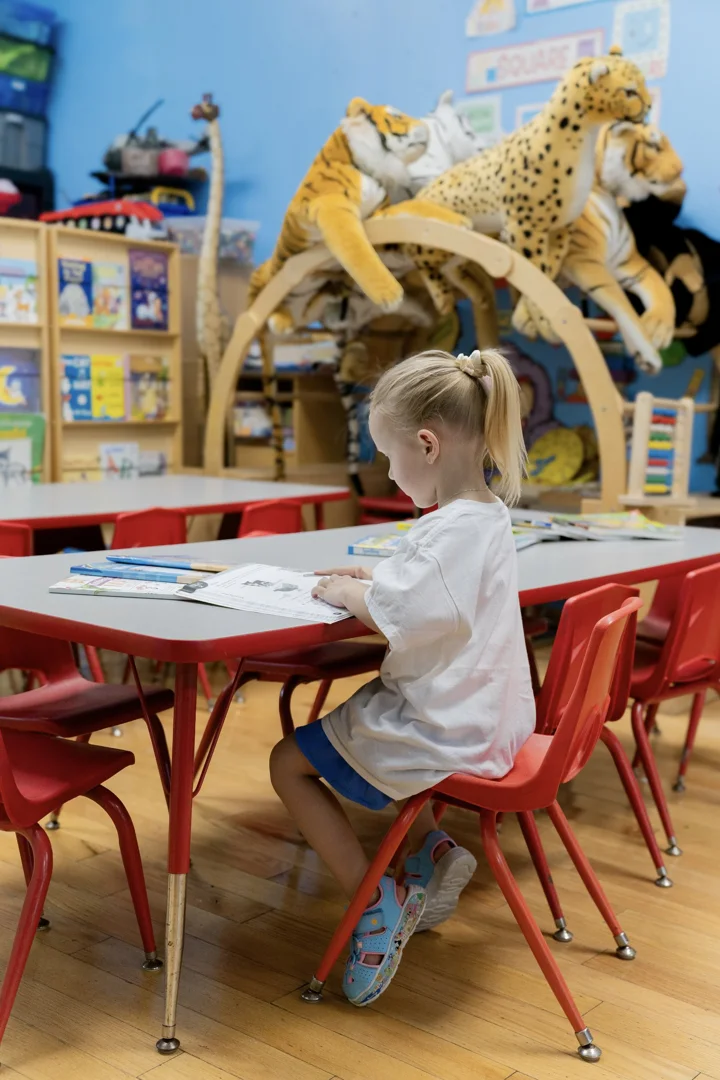
Finding the right early education setting requires looking beyond brand names and matching a program’s philosophy to your child’s personality, your family values, and practical logistics. When exploring preschool programs in Chicago, keep in mind that implementation quality, teacher warmth, and classroom culture matter just as much as curriculum labels.
If you are balancing work schedules and budget, our practical guide to choosing a daycare with curriculum can help clarify your priorities. Before booking visits, prepare a list of essential preschool tour questions for quality to evaluate how teachers handle daily routines, emotional co-regulation, and classroom exploration.
Evaluating Preschool Curriculum Types for Diverse Learners
Every child processes sensory input, social dynamics, and language differently. When comparing approaches, consider whether the environment supports varied learning modalities:
- Bilingual & Multicultural Growth: Early childhood is the prime window for language acquisition. Exploring the multilingual education benefits shows how dual-language immersion strengthens cognitive flexibility, working memory, and cultural empathy.
- Sensory Engagement: Active learners thrive when curricula integrate physical movement. Designing multi-sensory learning environments ensures children can touch, hear, build, and move while mastering foundational concepts.
- Cognitive Enrichment: Inquiring minds benefit from differentiated pacing. Understanding the benefits of a gifted enrichment curriculum helps parents see how critical thinking, logic games, and creative problem-solving can be woven into early education without stressful drills.
At Fantasy Island Schools for Kids, our program at 6100 N Milwaukee Ave brings these elements together. We offer a Gifted Enrichment Program, a dedicated multi-sensory play space, weekly music classes taught by a qualified music teacher, and daily multilingual instruction in Polish and English. We serve families from Norwood Park, Edison Park, Gladstone Park, Jefferson Park, Sauganash, Edgebrook, Portage Park, Niles, Park Ridge, Skokie, Norridge, and Harwood Heights.
Teacher Qualifications and Curriculum Implementation
A curriculum is only as effective as the educators who bring it to life. When touring schools, ask about early childhood teacher qualifications, including state certifications, CPR and First Aid training, and ongoing professional development in child development and trauma-informed care.
Strong programs assess children through continuous observational documentation rather than formal testing. Skilled teachers observe daily interactions, track developmental milestones, and adapt lessons to nurture each child’s individual growth.
Frequently Asked Questions About Preschool Curriculum Options
Can preschools blend multiple curriculum models effectively?
Yes. Many high-quality early childhood programs blend the best elements of several models. For example, a program might combine the structured independence and self-correcting materials of Montessori, the collaborative art projects of Reggio Emilia, and the predictable routines of HighScope. The key to an effective hybrid curriculum is pedagogical consistency—ensuring that all blended practices respect child agency, encourage intentional exploration, and support whole-child development.
Will a play-based curriculum delay my child’s reading and math skills?
No. High-quality play-based and experiential learning builds the cognitive scaffolding necessary for advanced literacy and numeracy. When children engage in dramatic play, sing rhythmic songs, construct intricate block patterns, and explore sensory bins, they are developing phonological awareness, spatial reasoning, and executive functioning. Longitudinal studies show that children in playful, language-rich environments develop strong reading comprehension and math capabilities as they advance into elementary school.
What is the primary difference between Montessori and Reggio Emilia?
While both approaches respect the child as an independent learner, they differ in classroom dynamic and materials. Montessori emphasizes individual, self-directed work using standardized, self-correcting tactile materials within a carefully prepared environment. Reggio Emilia focuses heavily on collaborative group projects, artistic expression in an atelier, and an emergent curriculum that evolves dynamically from children’s everyday questions.
Finding the Perfect Early Learning Fit for Your Family
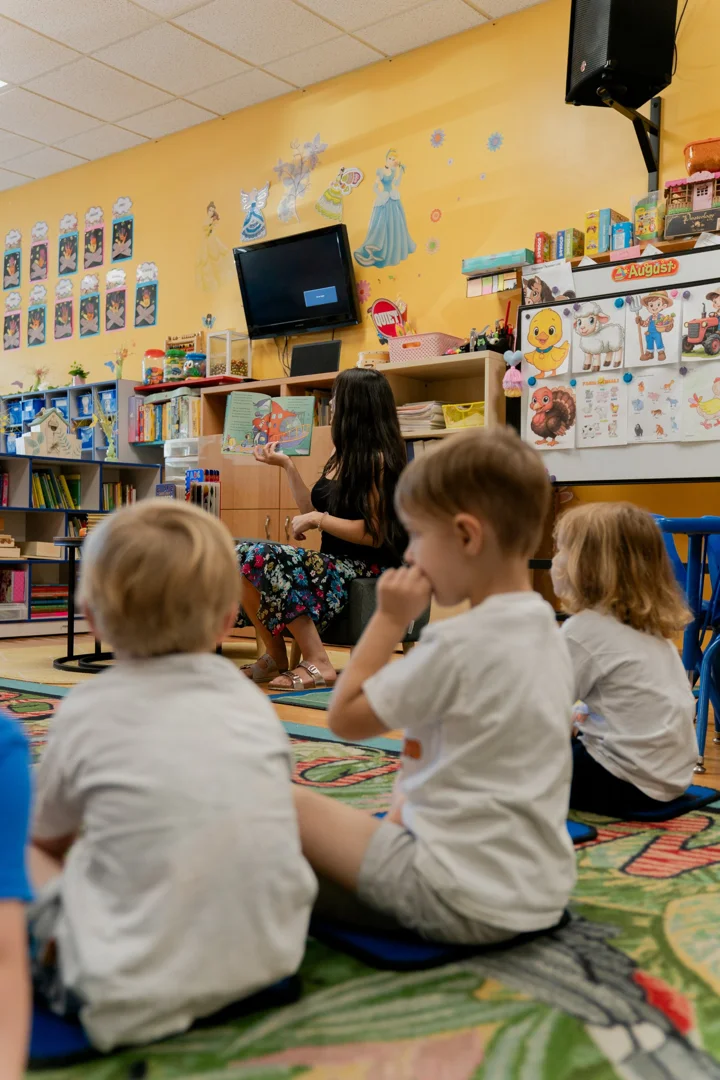
Choosing an early childhood program is a meaningful step in your family’s educational journey. Rather than searching for a single “perfect” label, look for an environment where your child feels safe, valued, and inspired to explore.
At Fantasy Island Schools for Kids, we have supported Chicago families since 2009. Our program combines early childhood best practices with rich experiential learning:
- Comprehensive Enrichment: Our tuition (approximately $300–$400 per week) includes our Gifted Enrichment Program, weekly music classes with a qualified music teacher, and math tutoring at no added charge.
- Freshly Prepared Meals: On-site, freshly cooked meals and snacks are prepared daily and included in tuition.
- Multilingual Immersion: Daily bilingual experiences in Polish and English, supported by our experienced, certified early childhood staff.
- Flexible Options & Accessibility: Full-time and part-time schedules (open Monday through Friday, 7 AM to 6 PM) for children ages 2 to 6. We proudly accept CCAP (Illinois Child Care Assistance Program) and Illinois Action for Children.
Whether you are located in Jefferson Park, Edgebrook, Park Ridge, Niles, or surrounding Northwest Side neighborhoods, we invite you to connect with us. Schedule a visit to explore our multi-sensory classrooms, meet our team, and see how our balanced curriculum supports your child’s natural curiosity and love of learning.
Learn more about our high-quality Chicago preschool enrollment to book your tour today!
