

A Simple Framework for Choosing the Right Kindergarten
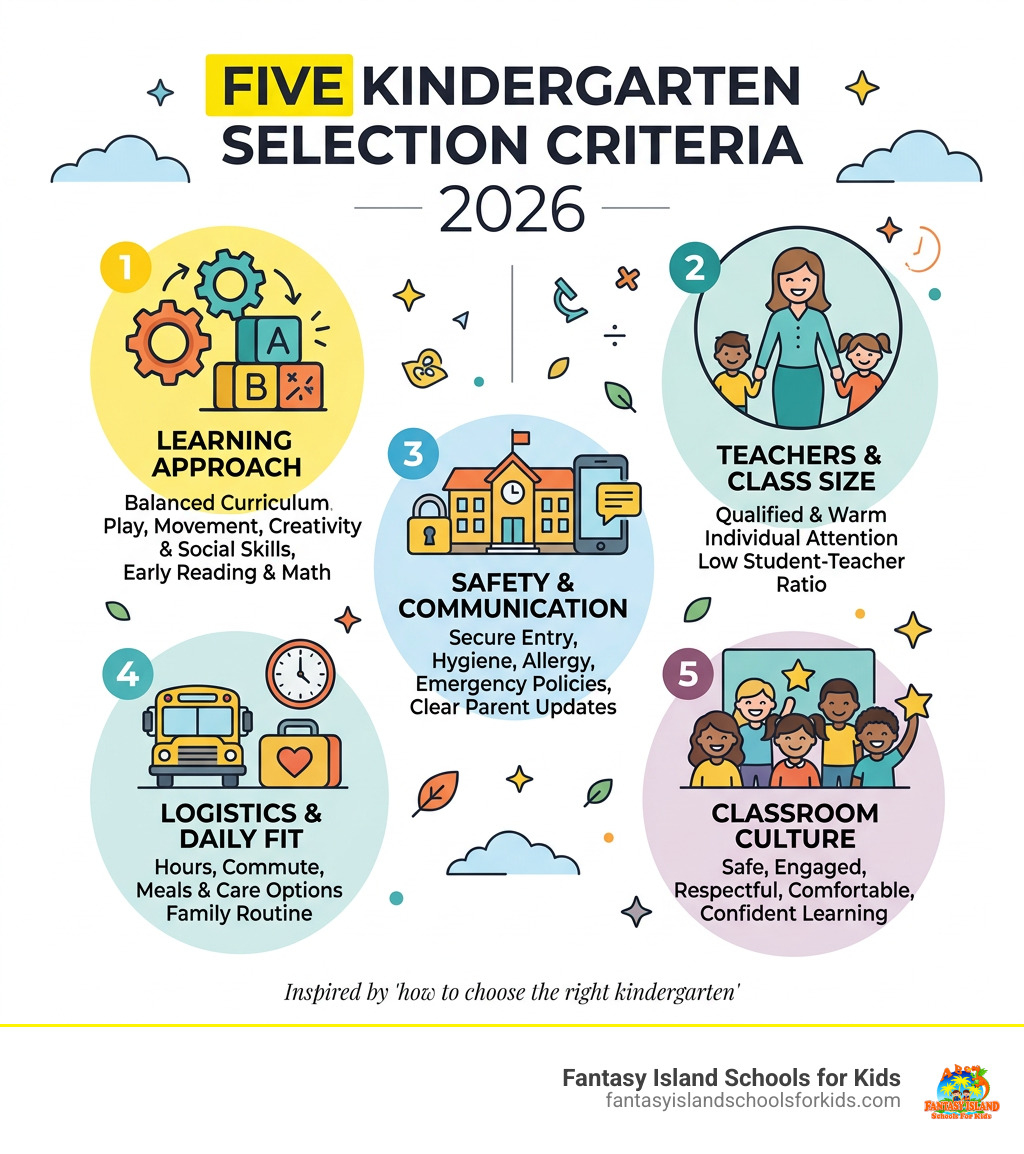
To learn how to choose the right kindergarten, compare each school using the same five criteria:
- Learning approach: Does the curriculum balance early reading and math with play, movement, creativity, and social skills?
- Teachers and class size: Are teachers qualified, warm, and able to give children individual attention?
- Safety and communication: Can the school clearly explain secure entry, hygiene, allergy, emergency, and parent-update policies?
- Daily fit: Do the hours, commute, meals, and care options work for your family’s routine?
- Classroom culture: During a visit, do children seem safe, engaged, respected, and comfortable asking for help?
Nearly 90% of brain development occurs before age five, so kindergarten is about more than worksheets or a school name. The best choice is a setting where your child can build confidence, friendships, independence, and a positive relationship with learning.
For Chicago families, cost and convenience matter, too. Fantasy Island Schools for Kids, founded in 2009 by Beata Bielic, is located at 6100 N Milwaukee Ave, Chicago, IL 60646, and serves children ages 2-6 with full-time and part-time care Monday through Friday, 7 AM to 6 PM. Families from Chicago’s Northwest Side and nearby areas including Norwood Park, Edison Park, Gladstone Park, Jefferson Park, Sauganash, Edgebrook, Portage Park, Niles, Park Ridge, Skokie, Norridge, and Harwood Heights can compare tuition, schedules, meals, and available assistance such as CCAP and Illinois Action for Children before enrolling.
I am Beata Bielic, Executive Director of Fantasy Island Schools for Kids, with more than 17 years of early-childhood education experience and a Master’s degree in Psychology from Jagiellonian University. Since founding Fantasy Island Schools for Kids in 2009, I have helped families understand how to choose the right kindergarten based on their child’s needs, safety, learning environment, and family routine.
Basic how to choose the right kindergarten glossary:
Core Educational Models: How to Choose the Right Kindergarten Philosophy
Every early childhood program is rooted in a specific educational philosophy. When you begin your search, it helps to understand how these models shape daily instruction, classroom rules, and social interaction. Finding alignment between a school’s philosophy and your family values ensures your child experiences consistency between home and the classroom.
Some children thrive in highly structured settings with predictable routines and clear direct instruction. Other children flourish in exploratory, hands-on environments where they direct their own investigations. A well-rounded educational model nurtures the whole child—fostering critical thinking, communication, collaboration, and creativity without sacrificing foundational academics.
For many bilingual families on Chicago’s Northwest Side, educational philosophy also includes language immersion. Dual-language environments, such as Polish-language instruction integrated into daily routines, foster cognitive flexibility, cultural appreciation, and advanced linguistic awareness during these formative years.
Play-Based vs. Academic: How to Choose the Right Kindergarten Curriculum Balance
One of the most common debates among parents is whether to choose a play-based or an academic-focused kindergarten. Fortunately, the two are not mutually exclusive. High-quality early childhood programs blend intentional play with structured skill development.
According to NAEYC early childhood recommendations, children develop deep conceptual understanding when academic subjects like early math and phonics are embedded within meaningful, hands-on activities. Play-based learning allows children to experiment, solve conflicts, and develop self-regulation, while structured academic components provide the discipline needed for grade-school reading and arithmetic. Research shows that young learners should have at least one hour of unstructured, supervised play daily to support physical and social-emotional growth.
| Feature | Play-Based Learning | Montessori Method | Traditional Academic |
|---|---|---|---|
| Primary Focus | Social-emotional growth, creative problem solving, guided discovery | Self-directed learning, practical life skills, tactile materials | Early literacy, arithmetic, structured direct instruction |
| Classroom Setup | Learning stations, dramatic play centers, sensory spaces | Multi-age rooms, child-height shelving, specialized wooden sets | Individual or group desks facing teacher, defined group areas |
| Teacher Role | Facilitates and extends play, asks open-ended questions | Observes quietly, guides individualized lessons | Leads structured group lessons, directs daily timetable |
| Best For | Active, imaginative children building collaborative social skills | Independent children who focus deeply on self-selected tasks | Children who thrive with direct guidance and predictable tasks |
Specialized Methodologies: Montessori, Reggio Emilia, and Classical
Beyond the broad play-versus-academic categories, specialized methodologies offer distinct pedagogical approaches:
- Montessori: Emphasizes mixed-age classrooms where children choose from specialized learning materials arranged on accessible shelves. This self-directed structure builds strong executive functioning, autonomy, and fine motor skills.
- Reggio Emilia: Treats the classroom environment as the “third teacher.” Curriculum emerges from children’s natural curiosities and questions, using artistic media, group projects, and community exploration.
- Classical and Faith-Based Frameworks: Focus on early virtue formation, language mastery, structured phonics, and logical sequencing. Faith-integrated programs embed spiritual growth, character habits, and daily prayer into core academic subjects.
Understanding these methodologies lets you choose an environment that supports your child’s personality rather than trying to fit your child into a rigid program mold.
Evaluating Classroom Quality, Ratios, and Teacher Qualifications
A thoughtfully designed curriculum is only as effective as the educators implementing it. Evaluating teacher quality, classroom dynamics, and student-teacher ratios is critical when choosing where your child will spend their kindergarten year.
Optimal Class Size and Teacher-to-Student Ratios
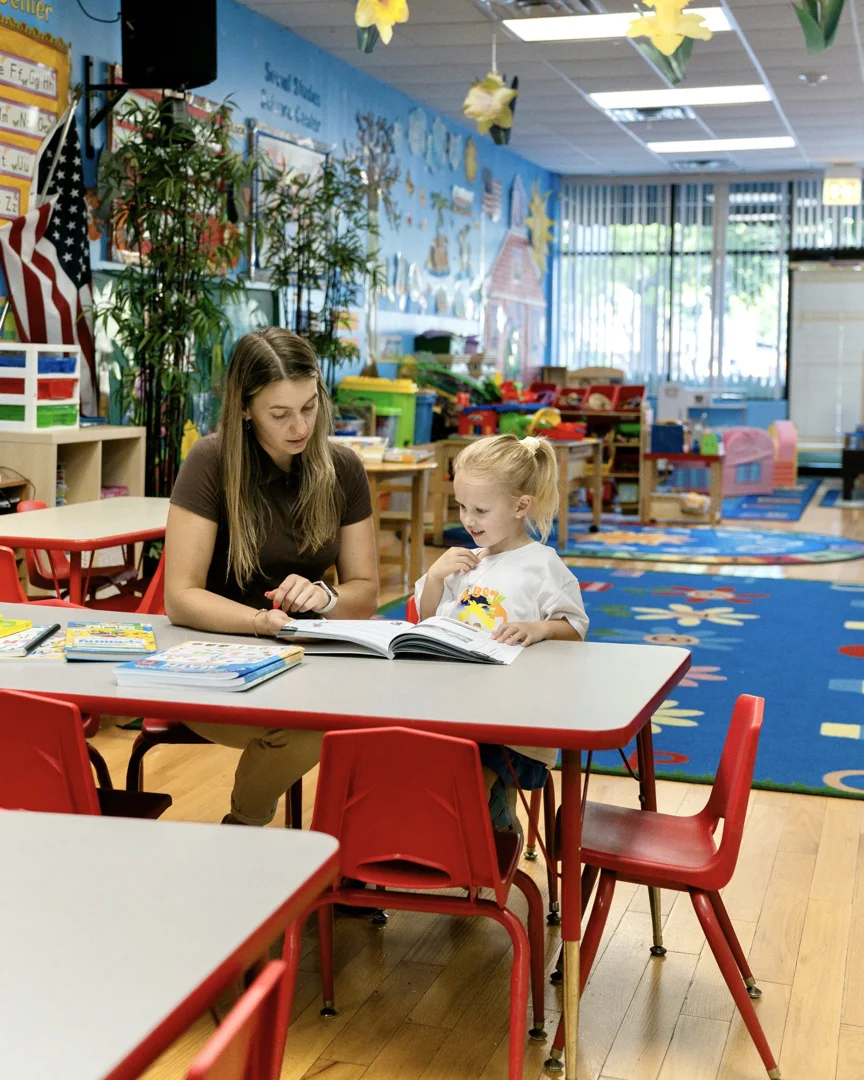
Class size directly influences how well an educator can personalize instruction, observe developmental breakthroughs, and maintain a calm, supportive room. In early childhood education, smaller group sizes consistently correlate with higher literacy gains and fewer behavioral challenges.
The ideal class size for kindergarten is between 12 and 20 students, with a teacher-to-student ratio of 1:10 or lower. Lower ratios ensure that teachers can sit alongside children during small-group reading, offer one-on-one coaching in early math, and step in promptly to guide peer conflicts. When evaluating a program, ask not just about the total head count, but how many certified lead teachers and qualified assistants are present during academic and play periods.
Teacher Credentials, Trauma-Informed Care, and Differentiated Support
Exemplary kindergarten teachers possess specialized education and ongoing professional training:
- Early Childhood Education (ECE) Certifications: A bachelor’s or specialized credential in ECE confirms that the educator understands early childhood milestones, brain development, and developmentally appropriate practices.
- Safety and Health Credentials: Verify that all staff members hold current First Aid and pediatric CPR certifications.
- Trauma-Informed Care: Teachers trained in trauma-informed care know how to recognize emotional distress, provide co-regulation, and create a calm atmosphere where every child feels secure.
- Differentiated Instruction: Children enter kindergarten with diverse skill levels. Excellent educators know how to challenge advanced students through gifted enrichment tasks while providing scaffolded interventions for children who need extra practice with phonemic awareness or motor skills.
Assessing School Readiness, Daily Schedules, and Program Types
Before finalizing enrollment, evaluate whether your child is ready for the expectations of kindergarten and which daily schedule model best fits your family’s routine.
Signs of Developmental and Academic Readiness
School readiness involves more than knowing letters and numbers; it requires a combination of social-emotional maturity, physical independence, and communication abilities. Children who enter school with strong foundational readiness adapt faster to classroom routines and build positive peer relationships.
Reviewing 5 signs that your child is ready for kindergarten can help you evaluate your child’s independence, attention span, and social confidence before the school year begins.
Comparing Schedule Formats: How to Choose the Right Kindergarten Schedule for Your Family
Kindergarten schedule formats vary widely across Illinois, and selecting the right option depends on your child’s stamina and your family’s work commitments:
- Half-Day Kindergarten: Typically runs 2.5 to 3 hours per day. This can be a gentle transition for younger five-year-olds, but working parents often need to arrange midday transportation and supplemental childcare. Reviewing the definitive guide to half day kindergarten in Chicago provides helpful context on local half-day schedules.
- Full-Day Kindergarten: Operating from 6 to 8 hours daily, full-day programs offer extended time for experiential learning, enrichment, arts, and rest. Exploring the ins and outs of kindergarten full day in Illinois helps parents assess whether their child is ready for an extended day.
- Attendance Guidelines: Illinois law requires consistent attendance once a child is enrolled in school. Understanding the complete guide to kindergarten attendance requirements in Illinois ensures your family stays fully compliant with state regulations.
- Extended Care: For working families, extended hours (such as 7:00 AM to 6:00 PM) eliminate stressful commute crunches while providing structured before- and after-school enrichment in a familiar space.
Practical Logistics, Health Policies, and Hidden Budget Factors
Practical logistics and total program costs are just as important as classroom philosophy. A school that looks great on paper may not work if the commute creates daily stress or unexpected fees strain your budget.
Safety Protocols, Hygiene, and Parent Communication
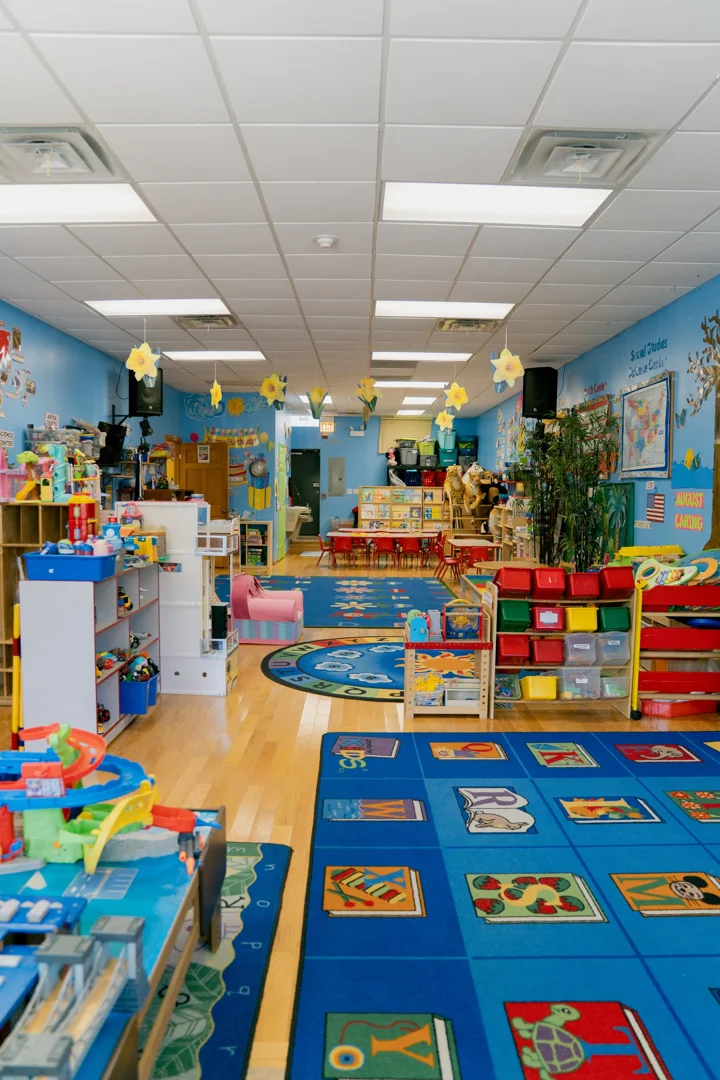
Your child’s physical safety and well-being provide the foundation for all learning. During your research, confirm the school’s operational standards:
- Access and Entry Security: Look for single-point secure entryways, coded visitor access, and thorough sign-in/sign-out procedures.
- Hygiene and Illness Mitigation: Ask about daily sanitization protocols for toys, multi-sensory equipment, and shared surfaces, alongside clear health policies for childhood illnesses.
- Nutritional Safety and Allergies: Inquire how food allergies are handled in dining areas. Freshly prepared, on-site meals that accommodate dietary restrictions provide balanced nutrition while simplifying morning routines for busy parents.
- Parent-Teacher Communication: Choose programs that offer regular communication through secure parent apps, daily updates, photos, and scheduled conferences. Knowing how your child’s day went builds trust and keeps you connected to their progress.
Tuition, Hidden Costs, and Neighborhood Convenience
When comparing costs, review total annual expenditures rather than base tuition rates alone. Exploring a quick start guide to comparing top kindergarten schools in Chicago helps you evaluate programs side by side.
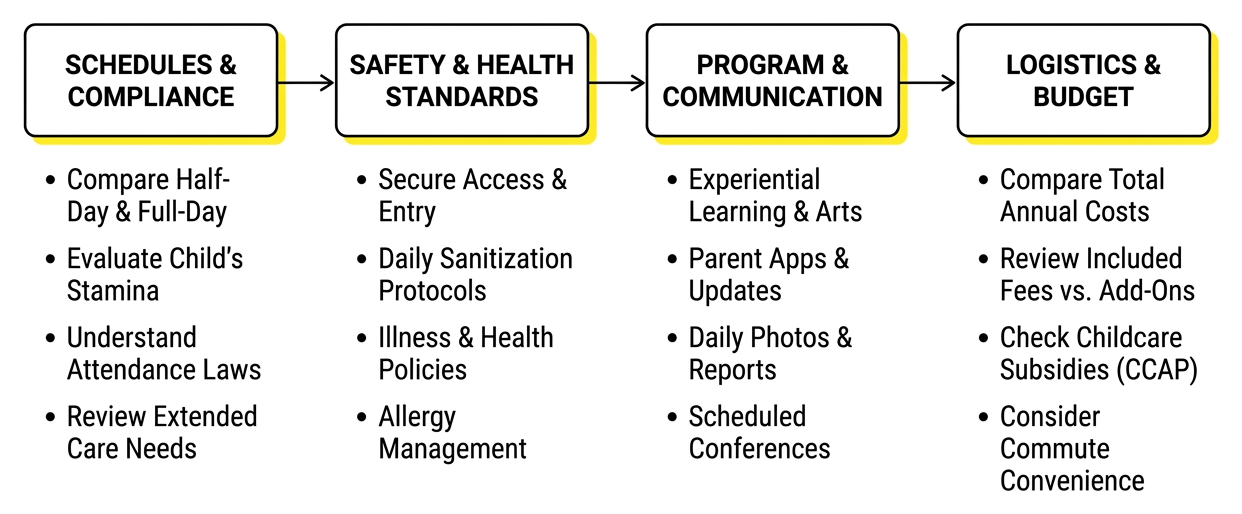
Be sure to ask about:
- Included Programs vs. Add-On Fees: Do tuition fees cover meals, music classes, experiential activities, and gifted enrichment, or are those billed separately?
- Supplies and Activity Charges: Clarify registration costs, materials fees, field trip expenses, and uniform policies upfront.
- Childcare Subsidies: If your family qualifies for assistance, ensure the school accepts the Illinois Child Care Assistance Program (CCAP) and works alongside Illinois Action for Children. Eligibility and benefit details can be confirmed directly through Illinois Action for Children or by speaking with the school administration.
- Commute Time: Choose a location convenient to your home or daily commute—such as Chicago’s Northwest Side near Norwood Park, Edison Park, or Gladstone Park—to keep daily drop-offs and pick-ups manageable.
Key Questions to Ask During Your In-Person School Tour
An in-person visit is the most effective way to evaluate a kindergarten program. While brochures highlight curriculum goals, walking through the classrooms allows you to observe teacher interactions, student engagement, and the emotional tone of the school.
Classroom Observation Checklist and Red Flags
Watch for how educators handle real-time classroom situations during your tour:
- Classroom Tone: Look for joyful energy, laughter, and focused curiosity. Be cautious of classrooms that are either chaotic or rigidly silent.
- Conflict Resolution: Ask teachers how they handle disagreements over toys or hurt feelings. Quality programs use restorative, positive behavioral strategies rather than punitive timeouts.
- Staff Retention: Ask about teacher longevity. High staff turnover can disrupt classroom stability, while low turnover signals a supportive environment.
Essential Questions for Your Tour:
- What is your lead teacher-to-student ratio during core learning times?
- How do you support a child who is advanced in reading or struggling with early math?
- How much daily time is dedicated to outdoor recess and active sensory play?
- How do you communicate daily updates, milestones, and concerns to parents?
- What enrichment programs (music, languages, STEM) are integrated into the weekly routine?
Frequently Asked Questions About Choosing a Kindergarten
What is the ideal age for a child to start kindergarten?
In Illinois, children typically begin kindergarten at age five, provided they turn five on or before September 1 of that school year. If your child’s birthday falls near the cutoff or they need more time to build social confidence, schedule a developmental screening with an early childhood educator to determine whether starting at age five or waiting an additional year is the best choice.
What is the difference between private, public, and independent kindergartens?
Public kindergartens follow state-mandated learning standards and district boundaries at no direct tuition cost, but class sizes may be larger. Private and independent kindergartens offer smaller student-to-teacher ratios, greater curriculum flexibility (such as gifted enrichment, bilingual instruction, and specialized music classes), and extended operating hours for working parents.
How many kindergarten programs should parents tour before deciding?
Touring two to four schools is generally ideal. Visiting too many programs can be overwhelming, while touring at least two provides a clear point of comparison for classroom warmth, safety standards, and daily scheduling. For fall enrollment, begin scheduling visits during the preceding winter or early spring.
Conclusion
Choosing the right kindergarten comes down to finding a balanced environment where your child feels safe, valued, and excited to learn each day. By evaluating educational philosophies, student-to-teacher ratios, safety protocols, and daily logistical fit, you can make an informed decision for your family. Trust your observations during school visits: happy, engaged children and warm, attentive teachers are the clearest signs of a high-quality program.
Fantasy Island Schools for Kids has supported young learners since 2009. Located at 6100 N Milwaukee Ave, Chicago, IL 60646, we provide a nurturing, English-language early learning environment with Polish and Ukrainian support for families across Chicago’s Northwest Side and surrounding suburbs—including Norwood Park, Edison Park, Gladstone Park, Jefferson Park, Sauganash, Edgebrook, Portage Park, Niles, Park Ridge, Skokie, Norridge, and Harwood Heights.
We serve children ages 2 to 6 with flexible full-time and part-time options from 7:00 AM to 6:00 PM, Monday through Friday. Our tuition ranges from approximately $300 to $400 per week, which includes freshly prepared on-site meals, weekly music instruction, Polish language classes every Friday, and our gifted curriculum designed to build school readiness. We also proudly accept CCAP and work with Illinois Action for Children to ensure quality early education remains accessible.
To learn more about our kindergarten and preschool programs, reach out to our team to schedule your personal tour.