

What Makes a Preschool Environment Safe?
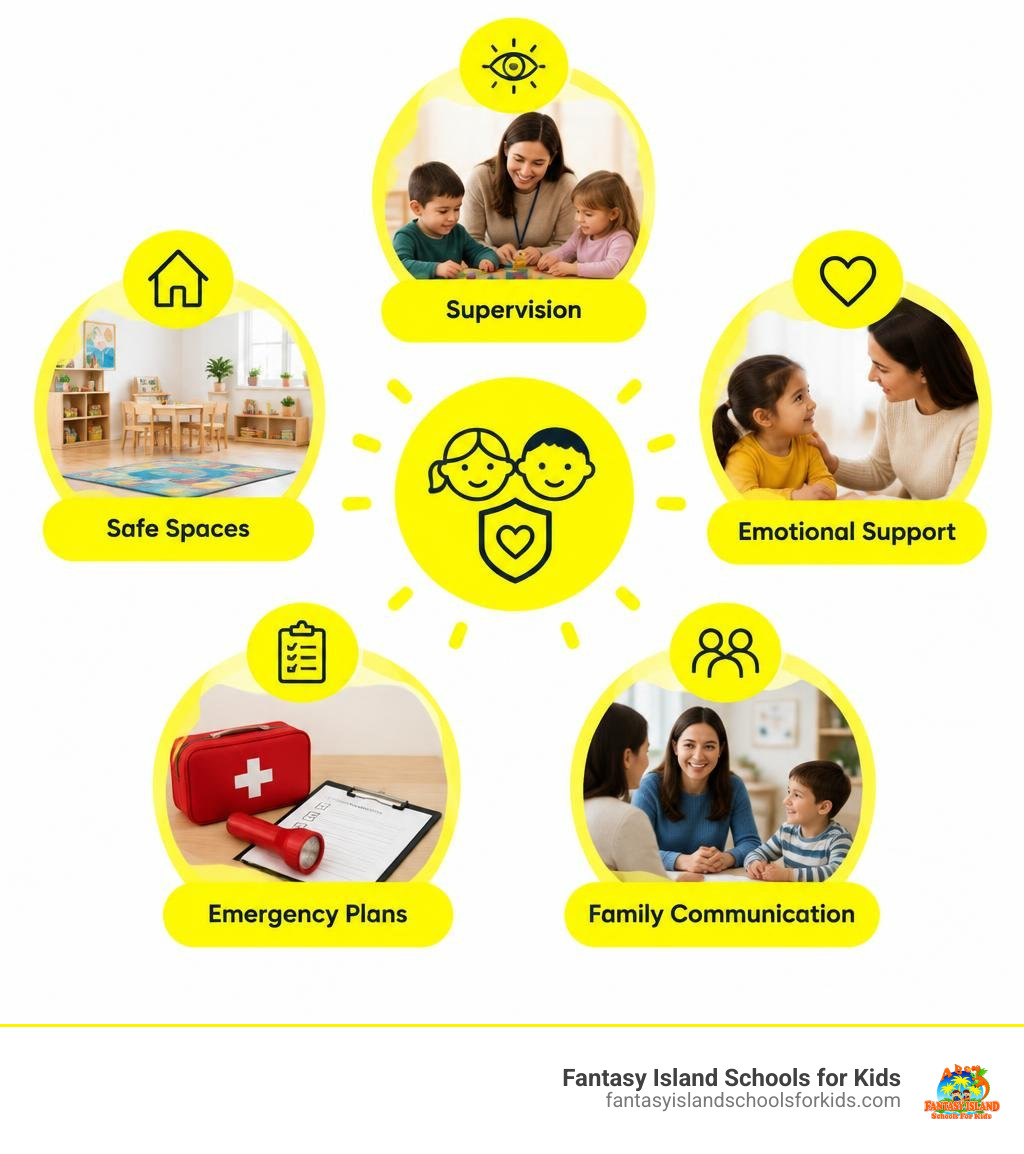
A safe preschool protects children physically and emotionally. When you compare programs, look for active supervision, age-appropriate toys, clean spaces, secure storage, and clear emergency plans. Notice how teachers speak to children, handle big feelings, and keep families informed. Ask how the school checks for hazards each day and accounts for every child during transitions.
Enrolling your child in a safe environment preschool ensures these physical and emotional protections operate as a single, consistent daily practice rather than an occasional checklist. For families on Chicago’s Northwest Side, an in-person visit makes these practices easier to evaluate. When choosing the right preschool, asking targeted preschool tour questions and verifying preschool teacher qualifications can give you confidence in your decision.
I’m Beata Bielic, owner and executive director of Fantasy Island Schools for Kids, where I began as a teacher in 2009. My more than 17 years in early childhood education and master’s degree in psychology shape how I create a safe environment preschool that protects children, encourages exploration, and gives families lasting peace of mind.
Key Pillars of a Safe Environment Preschool
Creating a truly secure space for early learners requires balancing physical protection with social-emotional warmth. When young children feel both physically protected and emotionally respected, their brains can shift away from stress responses and focus on exploration, problem-solving, and relationship building.
To achieve this balance, high-quality programs adhere to comprehensive inclusive and supportive learning environment standards. These benchmarks ensure that every child—regardless of their background, home language, or developmental stage—enters a setting designed to nurture their individual potential.
| Feature Area | Physical Safety Measures | Emotional Safety Measures |
|---|---|---|
| Classroom Design | Rounded furniture, secure shelving, covered electrical outlets | Calm-down corners, soft lighting, predictable visual schedules |
| Teacher Practices | Active zone positioning, constant line of sight, headcounts | Warm greetings by name, gentle conflict resolution, active listening |
| Materials & Gear | Non-toxic supplies, choke-tested toys, sanitized bins | Diverse multicultural books, sensory regulation tools |
| Daily Operations | Locked entryways, sign-in sheets, secure pickup logs | Predictable routines, smooth transition warnings, trauma-informed care |
Designing a Safe Environment Preschool Classroom
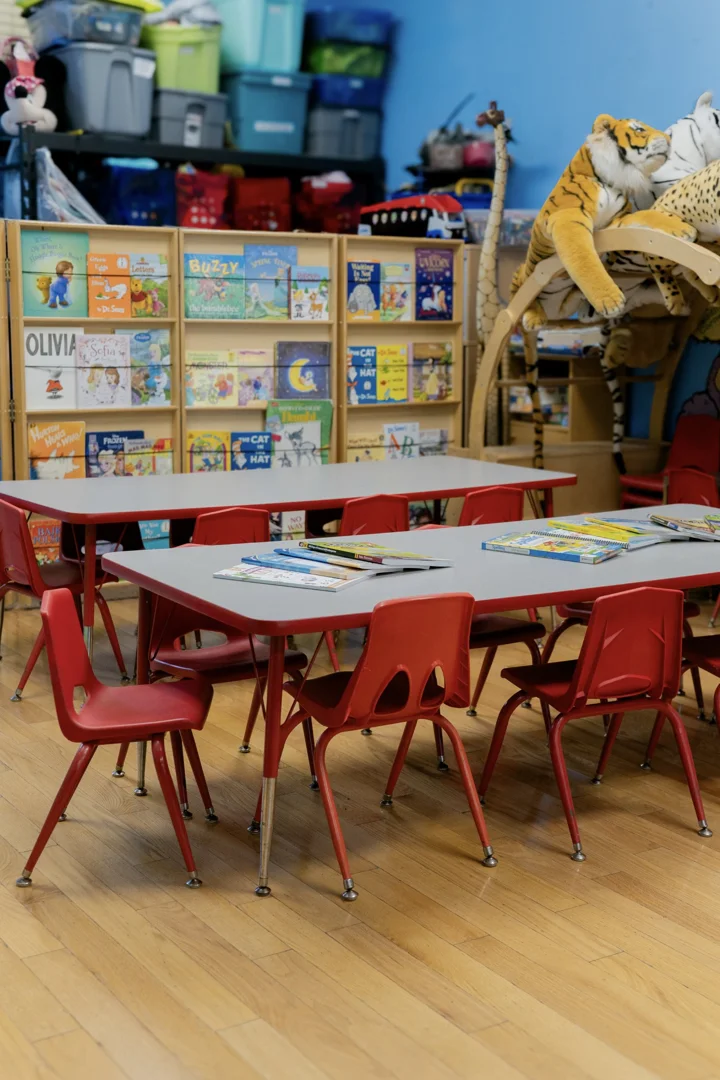
A safe classroom layout prevents accidents before they happen while actively encouraging discovery. We use low, stable shelves secured to walls so that children can access toys independently without tipping risks. Clear walkways between activity areas prevent collisions when little feet move quickly from one learning center to another.
Daily hazard inspections are essential. Before morning drop-off, teachers scan rooms for loose screws, frayed cords, or broken materials. Every educational tool must be non-toxic and developmentally appropriate. When environments are organized with labeled bins and clearly demarcated zones, children naturally thrive through the proven benefits of play-based learning, discovering their world without encountering avoidable hazards.
How a Safe Environment Preschool Supports Emotional Well-Being
Physical childproofing is only half the equation. Emotional safety ensures that children feel secure enough to express big emotions, try challenging tasks, and recover from mistakes without fear of harsh judgment. A dedicated quiet corner or calm-down station serves as a gentle brain-reboot zone rather than a punitive time-out space.
Our educators use trauma-informed care principles, validating children’s feelings while teaching practical self-regulation tools like deep belly breathing. Understanding typical social-emotional development milestones helps teachers tailor responses appropriately, whether a three-year-old is learning to share or a four-year-old is navigating complex peer play. When teachers model calm, respectful language, classrooms become peaceful communities where children build lasting confidence.
Physical Safety, Facility Checks, and Active Supervision
Active supervision is the cornerstone of physical protection. Rather than sitting passively at a desk, teachers position themselves strategically across classroom zones to maintain continuous sightlines. In quality curriculum-based daycare environments, educators move alongside children, engaging in their play while monitoring interactions.
Strict staff-to-child ratios are maintained at all times, supported by floater teachers during busy transitions such as moving from the classroom to the playground. Facility access is carefully controlled through single-point secure entries with keypad codes or direct administrative verification. Video surveillance systems provide an additional layer of security, acting as a crime deterrent, supporting hazard detection, and allowing leadership to monitor staff compliance with safety protocols.
Preventing Choking and Indoor Play Hazards
Choking remains one of the most significant hazards for children aged three and younger due to their natural instinct to explore objects with their mouths. A rigorous safe environment preschool safety protocol includes:
- Testing all small objects with standardized choke-tubes to ensure items under 1.25 inches in diameter are kept out of toddler reach.
- Inspecting plastic and wooden toys daily for sharp edges, cracks, or loose parts.
- Keeping cleaning chemicals, adult personal items, and first aid supplies locked in high cabinets accessible only to authorized staff.
- Managing food allergies strictly through clearly posted dietary plans, separate preparation surfaces, and supervised mealtimes.
Daily sanitation routines prevent the spread of seasonal illnesses. Toys that enter children’s mouths are immediately set aside in designated bins for sanitizing before returning to circulation.
Outdoor Playground Safety and Multi-Sensory Spaces
Outdoor learning and physical movement are vital for healthy gross motor development. Safe play spaces feature commercial-grade climbing equipment surrounded by shock-absorbing ground surfaces, such as poured-in-place rubber or deep wood fiber mulch.
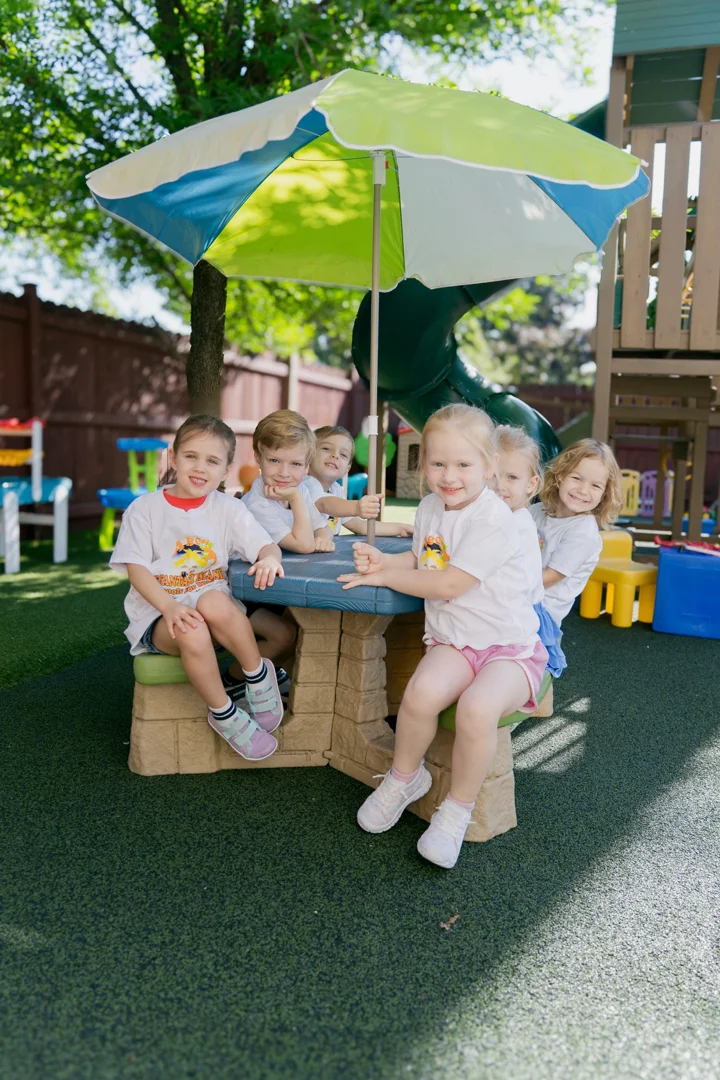
Outdoor areas must be fully enclosed by sturdy, child-proof fencing with self-latching gates. Before students step outside, staff perform a quick perimeter check to clear away debris, inspect equipment for weather-related wear, and confirm that gate latches are fully engaged. In specialized multi-sensory indoor play spaces, soft equipment, tactile elements, and climbing mats are audited regularly to ensure high-energy movement remains safe and joyful regardless of Chicago’s winter weather.
Emergency Preparedness, Drills, and Licensing Compliance
Every licensed childcare center must maintain written emergency plans covering fire, severe weather, medical crises, and security threats in compliance with Illinois state regulations and national standards. These plans outline specific evacuation routes, utility shut-off locations, and designated shelter zones.
For comprehensive neighborhood readiness, preschools align their response plans with broader school safety guidelines and community updates. Emergency kits containing first-aid supplies, child emergency contact sheets, flashlights, non-perishable snacks, and bottled water are stationed in every classroom.
Regular Drills and Safe Family Reunification Plans
Practicing emergency procedures regularly turns confusing situations into calm, automatic routines for young children. While licensing bodies require safety drills at least twice annually, practicing routines quarterly—and embedding small transitional safety habits weekly—builds true readiness.
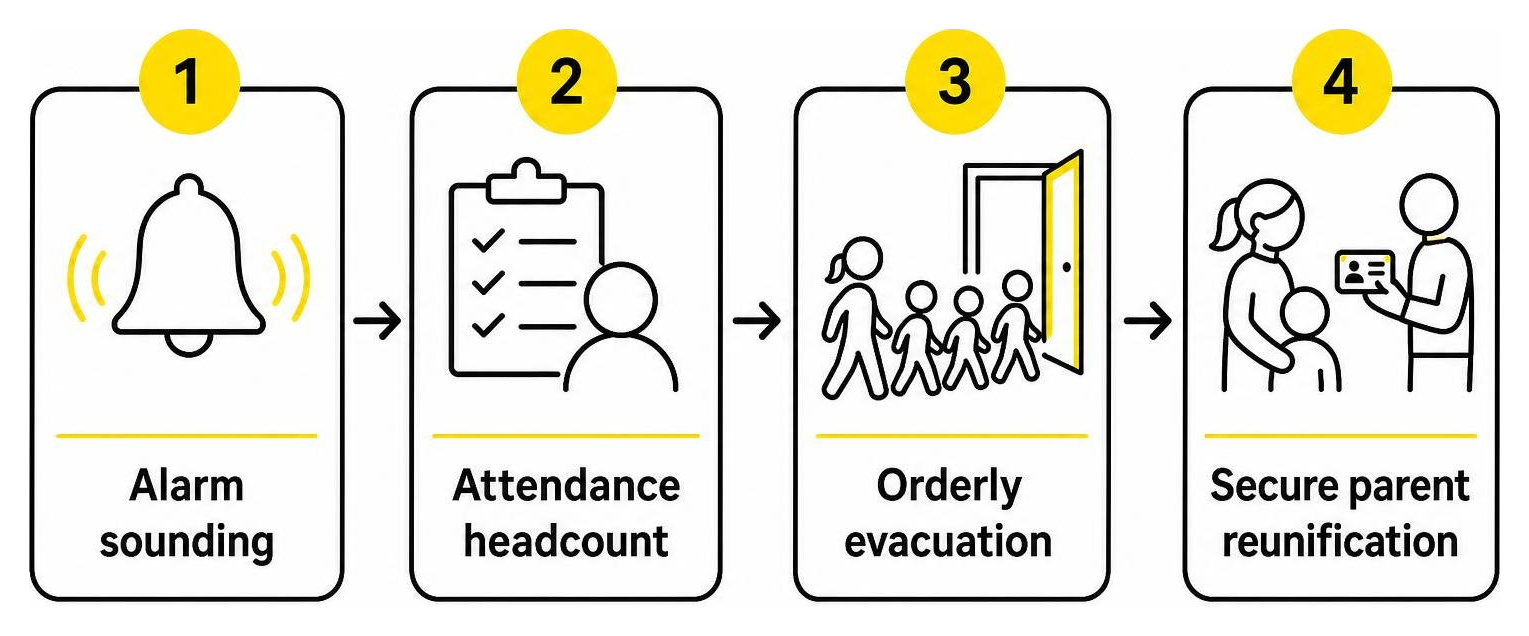
During any drill or real-world emergency, headcounts and roster verifications happen at three critical moments: before leaving the room, immediately upon reaching the secure staging area, and after returning. In the event of an off-site evacuation, preschools follow strict family reunification protocols. Children are released only to pre-authorized individuals presenting valid photo identification, with every handoff logged systematically.
Staff Certifications and Health Guidelines
A facility is only as safe as the professionals caring for the children inside it. Maintaining high early childhood educator qualifications ensures that staff possess the knowledge needed to handle both daily health management and sudden emergencies.
Key staff health and safety standards include:
- Up-to-date certifications in Pediatric First Aid and CPR for all classroom educators.
- Ongoing annual training in bloodborne pathogens, standard precautions, and communicable disease management.
- Daily morning health checks to spot signs of illness early and prevent classroom outbreaks.
- Thorough state and federal background checks for every employee prior to classroom placement.
Building Trust Through Parent Communication and Inclusive Routines
Trust between families and educators is essential for child well-being. Transparent, open communication ensures that parents feel informed and confident throughout the school day.
Daily digital reports or paper logs keep parents updated on meal consumption, nap duration, bathroom habits, and developmental milestones. When minor bumps or scrapes happen during active play, teachers document them promptly on formal incident reports, explaining the circumstances and the care provided. For families from diverse backgrounds, providing updates in their home language—such as Polish or English—fosters genuine partnership and mutual understanding.
Supporting Separation Anxiety and Special Learning Needs
Transitioning into preschool can feel overwhelming for both children and parents. Establishing predictable drop-off rituals and sharing effective strategies for separation anxiety eases this emotional milestone.
Classrooms support diverse learners by utilizing:
- Visual Schedules: Clear picture-based timelines displayed at child eye-level to illustrate what activity comes next.
- Sensory Accommodations: Noise-dampening headphones, weighted lap pads, or quiet spaces for children who experience sensory overload.
- Individualized Care Plans: Customized allergy, medical, or behavioral accommodation plans developed in direct collaboration with parents.
Evaluating Preschool Safety on Campus Tours
Visiting a center in person provides the best opportunity to verify safety protocols firsthand. As you prepare your visit, reviewing a guide on evaluating quality on preschool tours can help you formulate key questions.
When touring, observe the environment with these checkpoints:
- Access Control: Did staff verify your identity before opening the facility door?
- Supervision in Action: Are teachers actively scanning the room and engaging at eye-level with children?
- Cleanliness & Maintenance: Are restrooms clean, trash cans covered, and cleaning supplies locked away?
- Playground Security: Is the outdoor play space securely fenced with shock-absorbing ground cover under climbing structures?
Frequently Asked Questions about Preschool Safety
How often should preschools conduct safety and emergency drills?
Licensed preschools should conduct safety drills at least twice a year, though conducting quarterly drills for fire, severe weather, and lockdown scenarios is best practice. Regular practice familiarizes young children with emergency routes and procedures, minimizing fear and ensuring rapid, orderly transitions during real events.
What teacher-to-child ratio is required for preschool safety?
Staff-to-child ratios vary by state licensing guidelines and child age groups. For preschool children aged three to five, licensing rules typically mandate one qualified teacher for every 8 to 10 children. Maintaining low ratios ensures active supervision, individualized attention, and swift hazard response.
What should parents look for during a preschool safety inspection?
Parents should look for secure, single-point entryways, up-to-date pediatric CPR/First Aid certifications for all teachers, clean and sanitized learning materials, locked storage for medications and chemicals, and shock-absorbing surfacing in all indoor and outdoor gross motor play areas.
Conclusion
A comprehensive safety culture touches every aspect of the preschool experience—from secure doorways and sanitized toys to warm teacher-child interactions and clear emergency routines. Choosing a safe environment preschool means your family gains both physical security and emotional nurturing, helping children develop the confidence and resilience they need to flourish socially and academically.
At Fantasy Island Schools for Kids, founded in 2009 by Beata Bielic, we are dedicated to providing a secure, enriching environment for children aged 2 to 6 across Chicago’s Northwest Side and surrounding communities, including Norwood Park, Edison Park, Gladstone Park, Jefferson Park, Sauganash, Edgebrook, Portage Park, Niles, Park Ridge, Skokie, Norridge, and Harwood Heights. Located at 6100 N Milwaukee Ave, our center operates Monday through Friday from 7 AM to 6 PM, offering full-time and part-time enrollment.
Our tuition of approximately $300 to $400 per week includes all educational programming, our signature Gifted Enrichment Program, weekly music classes led by a qualified music teacher, multi-sensory play spaces, and freshly cooked on-site meals at no extra charge. We proudly offer multilingual instruction in Polish and English, and we accept CCAP (Illinois Child Care Assistance Program) and Illinois Action for Children to ensure quality care remains accessible.
To see our safety measures in action and meet our certified educators, we invite you to explore our safe and nurturing preschool program and schedule a campus tour today.